

Social and Emotional Learning (SEL) has become one of the most important topics of conversation in modern education—and for good reason. While academic achievement remains essential, schools are increasingly recognizing that students also need emotional awareness, resilience, empathy, communication skills and healthy coping strategies to thrive both inside and outside the classroom. SEL helps build these foundational life skills.
At its core, SEL is the process of helping children and youth understand and manage emotions, develop positive relationships, make responsible decisions, and navigate challenges with confidence and compassion. These aren’t “extra” skills that are separate from academic education; they’re deeply connected to a student’s ability to learn, engage and succeed.
Why SEL matters so much in education
Young people today are growing up in a fast-paced, highly connected and often overwhelming world. Many students experience stress, anxiety, social pressure, loneliness or difficulty regulating their emotions long before adulthood. Without adequate support, these challenges can impact attention, behaviour, relationships, academic performance and mental well-being.
SEL creates space for students to develop emotional intelligence alongside traditional academics. When youth learn how to identify emotions, communicate effectively, problem-solve and respond to conflict in healthy ways, they become better equipped to handle everyday challenges.
Research consistently shows that SEL programs can improve academic performance, emotional regulation, classroom behaviour, peer relationships, attendance and engagement, and long-term mental wellness. Students who feel emotionally safe and connected are more likely to participate in class, take healthy risks while learning, and build self-confidence as they move through their activities and interactions.
The 5 core areas of SEL
Many SEL frameworks focus on five key competencies. These include:
Self-awareness
Students learn to recognize emotions, strengths, thoughts and personal values. Self-awareness helps youth understand how feelings influence behaviour and decision-making.
Self-management
This includes emotional regulation, stress management, goal setting, impulse control and resilience. Students begin learning how to pause, reflect and respond instead of reacting impulsively.
Social awareness
SEL encourages empathy, compassion, taking the perspective of others and an appreciation for diversity. Students learn to understand and respect the experiences of other people.
Relationship skills
Healthy communication, teamwork, conflict resolution, active listening and co-operation are essential life skills that support both academic and future workplace success.
Responsible decision-making
Students learn how to make thoughtful, ethical and safe choices by considering consequences, values and the well-being of others.
SEL supports mental wellness
One of the most valuable aspects of SEL is its role in the prevention of mental health issues and the provision of early support for students who may be experiencing them. Emotional literacy gives children language for their experiences, so instead of acting out, shutting down or internalizing emotions, they can begin learning how to express themselves safely and seek support when needed.
SEL doesn’t replace mental health care or counselling. However, it creates a strong foundation that supports emotional resilience and overall wellness. Practices such as mindfulness, breathing exercises, reflection, gratitude and compassionate communication can help students regulate stress and feel more grounded throughout the school day.
When schools normalize emotional conversations, youth learn that emotions are part of being human—not something to hide or fear.
SEL improves school culture
A classroom that’s grounded in SEL often feels different. Students are more connected, respectful, collaborative and emotionally aware. Teachers may spend less time managing behaviour and more time building meaningful learning experiences.
SEL also helps reduce bullying, exclusion and conflict by teaching empathy and perspective-taking. Students begin understanding how their actions affect others and how to navigate disagreements in constructive ways.
Strong school communities are built not only through academics, but through belonging, trust and emotional safety.
Preparing youth for life beyond school
Academic knowledge is important, but long-term success also depends on human skills. Employers, communities and families are increasingly valuing soft skills like communication, adaptability, emotional intelligence, leadership and collaboration.
By teaching students these skills, SEL helps prepare students for future careers, healthy relationships, community involvement, leadership opportunities, stressful life transitions and independent decision-making.
These skills support youth far beyond their graduation date.
The role of educators and families
SEL is most effective when students experience consistency at school, at home and in the community. Educators play a powerful role by modelling emotional regulation, empathy and respectful communication. Families can also help reinforce these skills through conversations, routines, emotional support and connection.
Even small daily practices can have a meaningful impact. Try some of these, even if you don’t have a whole lot of time:
- Check-ins about emotions
- Gratitude discussions (“What are you grateful for today?”)
- Mindful breathing
- Collaborative problem-solving
- Reflective journaling
- Acts of kindness
- Encouraging healthy communication
SEL isn’t about perfection. It’s about helping youth develop the tools to understand themselves and navigate life with greater awareness and confidence.
Social and emotional learning is essential
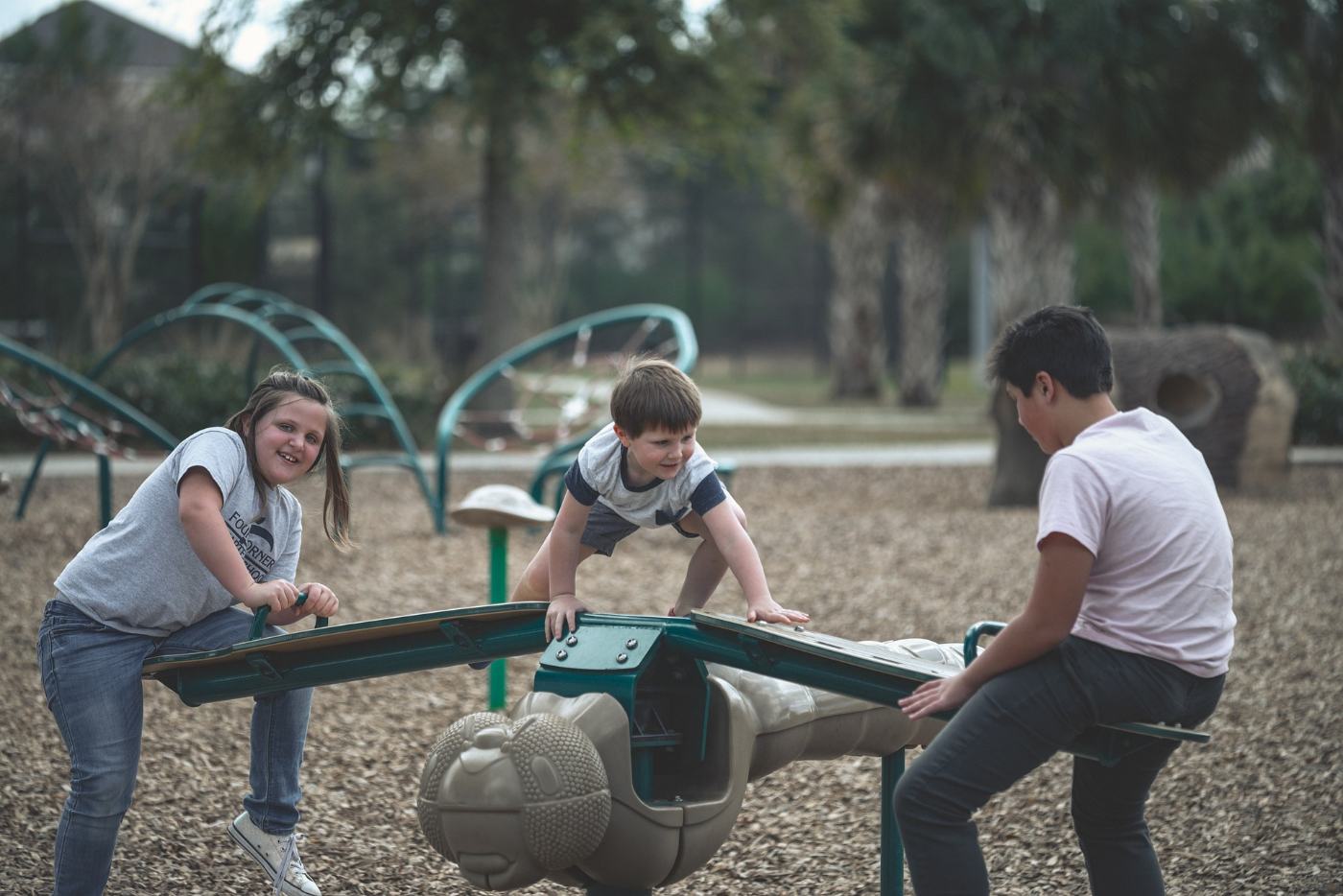
Education is about more than grades and test scores. It’s just as important to help young people become capable, compassionate and resilient human beings, and Social and Emotional Learning recognizes that emotional well-being and academic success are deeply connected.
When schools invest in SEL, they invest in the whole child. They create environments where students feel seen, supported, and empowered to grow—not only as learners, but as people.
As the needs of youth continue to evolve, SEL is no longer optional in education. It’s an essential part of preparing the next generation for personal well-being and meaningful contribution to the world.
«RELATED READ» POSITIVE PSYCHOLOGY AND CHILDREN: Why it’s important inside and outside of school»
image: mkzsfoto