
In much of science fiction, the future shows remarkable technological advances. There are flying cars, superintelligent machines and lightspeed travel. But one thing stays the same: humans. We’re still stuck in fear, division and conflict. The only difference is we have stronger tools to create and destroy.
AI and other advances are often not used to improve us but to feed on our greed, lust for power and weakness. Rather than bringing us together, the technologies are used to divide and conquer.
But the tech isn’t the bad guy in the story. It simply amplifies what’s already in us. We’re the ones with the alignment problem. We need to understand our own code if we want to prevent AI from turning us against each other. The fact is, we don’t trust each other. We prefer to be around people who agree with us. And we reject or try to destroy those who seem different.
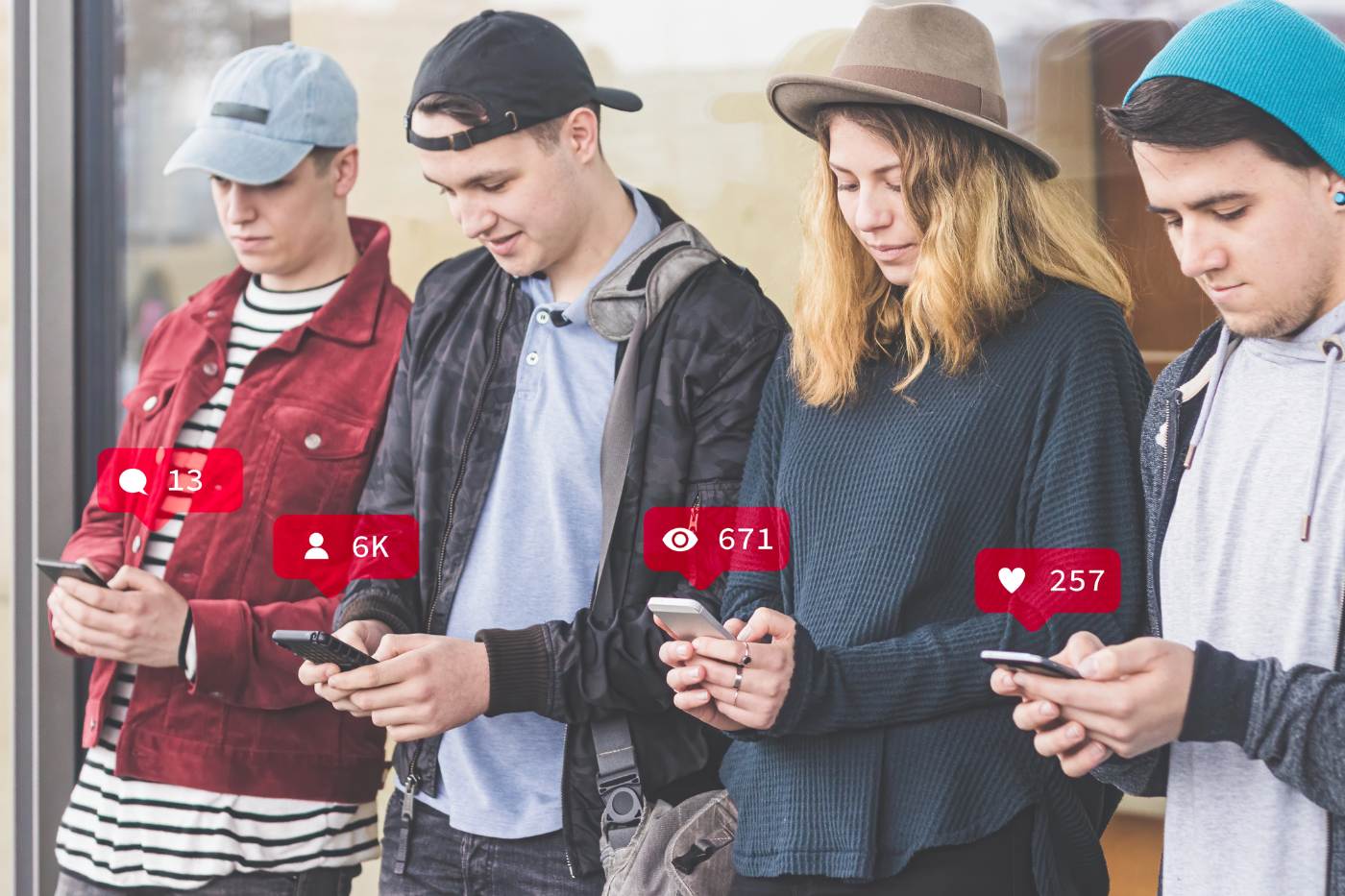
The only power AI has to pit us against each other is its ability to manipulate our unexamined fears, judgments and unconscious biases. As long as we remain unaware of these primal drives for survival, algorithms will keep separating us into echo chambers that atrophy our self-awareness—and turn us into teams and tribes that weaken the shared reality that once held us together.
These algorithms are built to grab attention. And they’ve learned that anger, fear or outrage keep people scrolling, clicking and sharing. That’s why the most popular posts online are often the ones that stir up strong feelings.
Worse, these systems keep showing people the same kinds of views they already hold, pushing us deeper into narrow ways of thinking, strengthening biases and fragmenting communities along political, ideological and cultural lines. The result: It becomes harder to relate to each other, making us enemies within our own countries and neighbourhoods, even within our own homes.
Most people think what they see online is “the world.” But it’s really a custom-made version of the world based on their interests, including unconscious ones. If someone tends to read conservative content, they’ll mostly see conservative news. If they lean liberal, they’ll mostly get liberal stories. This makes other opinions seem strange or even dangerous. It’s a big part of what’s driving so much of today’s division.
And it’s not just politics. AI also affects our ability to connect at all. When people start depending on AI friends that always agree with them, they stop learning how to deal with real-life conflict. True relationships challenge us and help us grow. AI “companions” don’t do that. The more people rely on them, the harder it becomes to handle tough conversations.
As a result, people are losing the skills to think deeply, question their beliefs and talk through disagreements. Many struggle to even hold two different ideas in their minds at the same time. This kind of isolation and confusion could tear our society apart—right when we most need strong, connected communities.
Community builds immunity
Humans are built for community. From the beginning of our history, we’ve needed each other to survive—sharing food, raising children and protecting the group. This teamwork helped shape not just our behaviour, but even the way our brains work. We became smarter and stronger by working together.
Science backs this up. Our brains are made to handle complex social environments. When we bond with others, our brains release oxytocin—a hormone that helps us feel safe and connected. When we’re rejected, this bonding hormone falls off and stress hormones kick in. It doesn’t just hurt us emotionally; it activates the same part of the brain as physical pain.
Over time, loneliness can weaken your immune system, raise stress levels and even shorten your life. On the other hand, close relationships boost both your mental and physical health. And, according to Harvard’s study on adult development, strong social ties are one of the biggest keys to long, happy lives.
You can also see this in the “Blue Zones”—places like Okinawa, Japan and Sardinia, Italy, where people live longer than average. In Okinawa, friends form tight-knit groups called moai that last a lifetime. In Sardinia, families often include many generations under one roof. These strong bonds help people feel supported, loved and less stressed. It shows that being part of a real community builds strength—not just for survival, but for thriving.
Throughout history, this kind of community has helped people through the hardest times. After disasters like Hurricane Katrina or the earthquake in Japan, it wasn’t just governments that helped—it was neighbours and strangers. People cooked for each other, cleaned up ruins and opened their homes. They showed that even in dark times, we’re not alone.
During the Great Depression, when money and food were scarce, people still found ways to support each other. They shared what they had so no one would be left behind. It wasn’t perfect, but it helped people get through. These moments show that resilience isn’t just about bouncing back—it’s about reaching out to others.
Even today, we see the power of community-building in programs like Welcome.US and partnerships with Airbnb.org, HP, Google and T-Mobile that help refugees by building networks of support. These acts of kindness show how empathy can turn despair into hope.
As we enter an age shaped by artificial intelligence, these lessons matter more than ever. AI is changing jobs, increasing inequality and spreading false information. But strong communities can help us face these problems.
We need to bring our time, talents and love back to our local neighbourhoods. Create support groups where people can help each other with skills or resources to protect us from the worst effects. And we need to take back digital platforms, remove harmful algorithms and use them to strengthen our connections rather than destroy them.
In this way, community acts like an immune system. It protects us—physically, emotionally, socially and even digitally. As AI continues to reshape our world, we must build strong, caring communities if we want to stay human—and stay well.
Community creates common unity
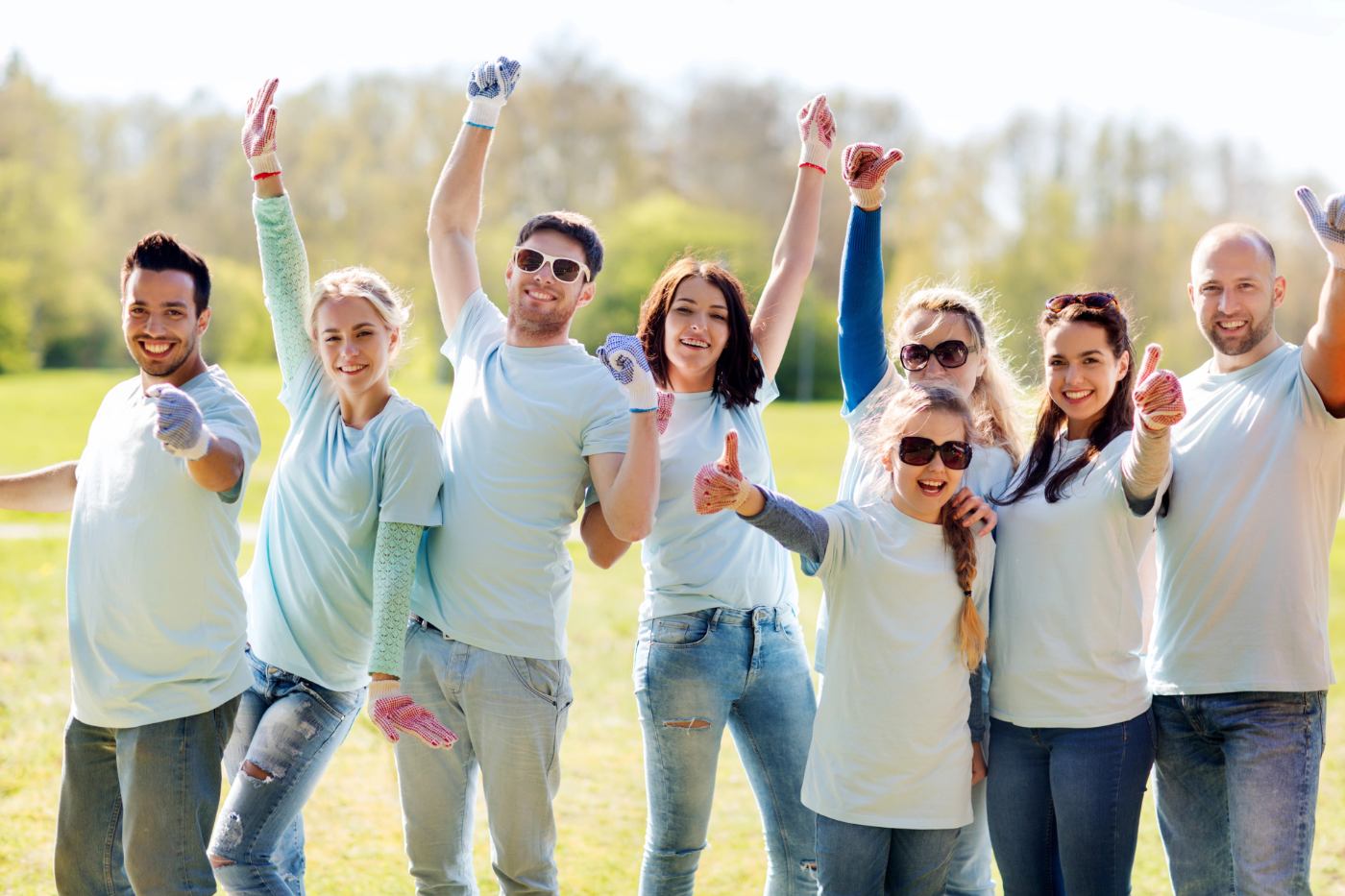
The power of community goes beyond helping each other survive. True community happens when people come together for something bigger than themselves.
This idea shows up in the Bible with the passage, “Where two or three have gathered together in My name, there I am in their midst.” Whether or not you’re religious, the point is that when we unite with a higher intention—whether to pray, build or create—we can do almost anything.
Spiritual and religious communities have often been the strongest. Not just because they offer protection or food, but because they’re built on something transcendent—a belief, a power or a mission that lifts both the group and the people in it. Places like temples and monasteries weren’t only for worship. They were also centres of learning, art and service. And their focus on meaning and purpose helped them survive even through war, hunger and big changes in society.
But this idea isn’t only for religious groups. Many major moments in history were shaped by people coming together with a shared goal. When the Founding Fathers built the United States, they weren’t just starting a country. They were aiming for something greater: freedom, justice and self-rule. Even though they were imperfect, their common goal helped them overcome big challenges.
Humans are at their best when they join in a bigger purpose. Whether it’s a spiritual group, a movement for justice or a creative team, real community lifts us higher.
The Declaration of Independence and the Constitution were more than legal rules—they were expressions of an ideal, calling future generations to aim higher.
The Civil Rights Movement of the 1960s also grew from a shared vision. Led by people like Martin Luther King, Jr., the fight wasn’t just about changing laws—it was about dignity, love and fairness for all. King often spoke of a “beloved community”—a world where people of all kinds lived with justice and respect. This shared dream gave people the courage to face danger and keep going, and a collective strength to overcome an obstacle that no one could have faced alone.
This same truth shows up in art and creativity. Great changes rarely come from just one person. During the Renaissance, people like Michelangelo and Leonardo da Vinci worked with others in a shared effort to restore classical ideas and show the beauty of human life. They believed art could lift the spirit and reflect something divine. Together, these artists and thinkers contributed some of the most important art and ideas in history.
Another example is a group of filmmakers in the 1970s known as the “Movie Brats.” Made up of directors like Steven Spielberg, George Lucas and Martin Scorsese, they changed movies forever. United by friendship and a shared belief of what cinema could be, they pushed the limits of storytelling, innovation and emotion in film. Their fusion of high art with commercial appeal created the modern blockbuster and brought millions together to share the magic.
While the Enlightenment brought many advances, it also began a shift away from shared higher values. Instead, the focus became more about personal achievement and material success. With the rise of nationalism and individualism, many people have become apathetic. They no longer trust organizations. They’ve pulled away from communities. And they’ve lost connection to a collective mission.
The result: a loneliness and meaning crisis like we’ve never seen. The solution seems clear: we need to come back together. Humans are at their best when they join in a bigger purpose. Whether it’s a spiritual group, a movement for justice or a creative team, real community lifts us higher.
It’s not just about surviving; it’s about remembering we belong to something greater. The strongest societies—the ones that can make it through anything—are knit together by this ideal.
Derek Rydall is a bestselling author, a prominent life coach, and a consultant for Emmy and Academy Award winners, Fortune 500 executives, and leaders in business, spirituality, and the healing arts. He is an active speaker, bringing his unique brand of inspiration to audiences around the world. His latest book, A Whole New Human: Ten Ways We Must Evolve to Survive and Thrive in the AI Age, is available now. You can learn more about Derek and his work at DerekRydall.com.
This is an excerpt taken with permission from the book A Whole New Human: Ten Ways We Must Evolve to Survive and Thrive in the AI Age. ©2026 by Derek Rydall.
images: Depositphotos