

Positive psychology helps children focus on strengths, emotions, resilience, kindness, gratitude and healthy relationships, rather than only on problems or mistakes.
Instead of asking, “What’s wrong with this child?” positive psychology asks, “What will help this child grow, thrive and feel connected?”
For children, this approach can support confidence, emotional regulation, empathy, optimism and overall mental wellness. It teaches kids that happiness isn’t about being positive all the time—it’s about learning how to cope with challenges, appreciate life, build meaningful relationships and recognize your own strengths.
What is positive psychology?
Martin Seligman, Ph.D., who’s often called the founder of positive psychology, helped introduce the idea that mental health is more than the absence of problems. Positive psychology focuses on helping people flourish emotionally, socially and mentally.
For kids, positive psychology includes practices such as gratitude, mindfulness, kindness, emotional awareness, strength building, positive self-talk and goal-setting, as well as building healthy relationships and developing resilience after setbacks.
These skills can be taught at home, in schools, in therapy settings and through everyday life experiences.
Why positive psychology matters for kids
Children today face many pressures, such as school expectations, social challenges, overstimulation, increased technology use and emotional stress. Positive psychology gives children tools to better understand themselves and navigate life in healthier ways, even when they’re faced with these issues.
The benefits of positive psychology may include heightened confidence, better emotional regulation, improved friendships, reduced anxiety and stress levels, greater levels of empathy and compassion, increased resilience, enhanced problem-solving skills and more optimism and motivation.
When children learn important emotional skills early, they often carry those tools into adolescence and adulthood.
Teaching children to notice strengths
One important part of positive psychology is helping children identify their strengths instead of focusing only on weaknesses or mistakes.
Some examples of possible strengths in children:
- Creativity
- Curiosity
- Kindness
- Leadership
- Humour
- Bravery
- Patience
- Honesty
- Teamwork
- Perseverance
Adults can encourage kids to recognize their strengths by drawing attention to effort and character, rather than recognizing achievements only.
For example, you can say to a child, “You worked really hard on that,” “That was very thoughtful,” “I noticed how patient you were,” or “You kept trying even when it was difficult,” depending on the situation.
This helps children develop a growth mindset and healthier self-esteem.
Gratitude and happiness
Gratitude is one of the most researched positive psychology practices, and there’s a general consensus that teaching children to notice the good moments in life can help shift their attention away from constant negativity or comparison.
If you’re not sure where to start, here are six simple gratitude practices for kids:
- Sharing three things that happened during the day before bed
- Drawing pictures of happy moments
- Writing thank-you notes
- Filling gratitude jars with things you’re grateful for written on slips of paper
- Taking nature walks while noticing beautiful things
- Talking about acts of kindness
Gratitude doesn’t mean completely ignoring difficult emotions. Instead, it helps children recognize that positive experiences can exist alongside challenges.
Emotional awareness and mindfulness
Positive psychology encourages children to understand and express their emotions in healthy ways.
Mindfulness practices can help children slow down racing thoughts, calm their bodies, improve their focus, increase their level of self-awareness and reduce emotional overwhelm.
Some simple mindfulness activities that kids often enjoy include belly breathing, listening to calming sounds, mindful colouring, guided imagery, body scans and using the five senses to notice the present moment.
Teaching children that all emotions are acceptable—even difficult ones—helps create emotional safety and resilience.
Building resilience in children
Resilience is the ability to recover from setbacks and continue moving forward. Positive psychology helps children understand that mistakes, failures and hard feelings are part of growth.
Adults can build resilience in children who are under their care by allowing them to solve age-appropriate problems, encouraging persistence, normalizing the presence of mistakes, teaching healthy coping skills, modelling calm emotional responses, and helping the children reflect on what they’ve learned.
Instead of rescuing children from every challenge, supportive adults should guide them through challenges with encouragement and empathy.
Kindness, empathy and connection
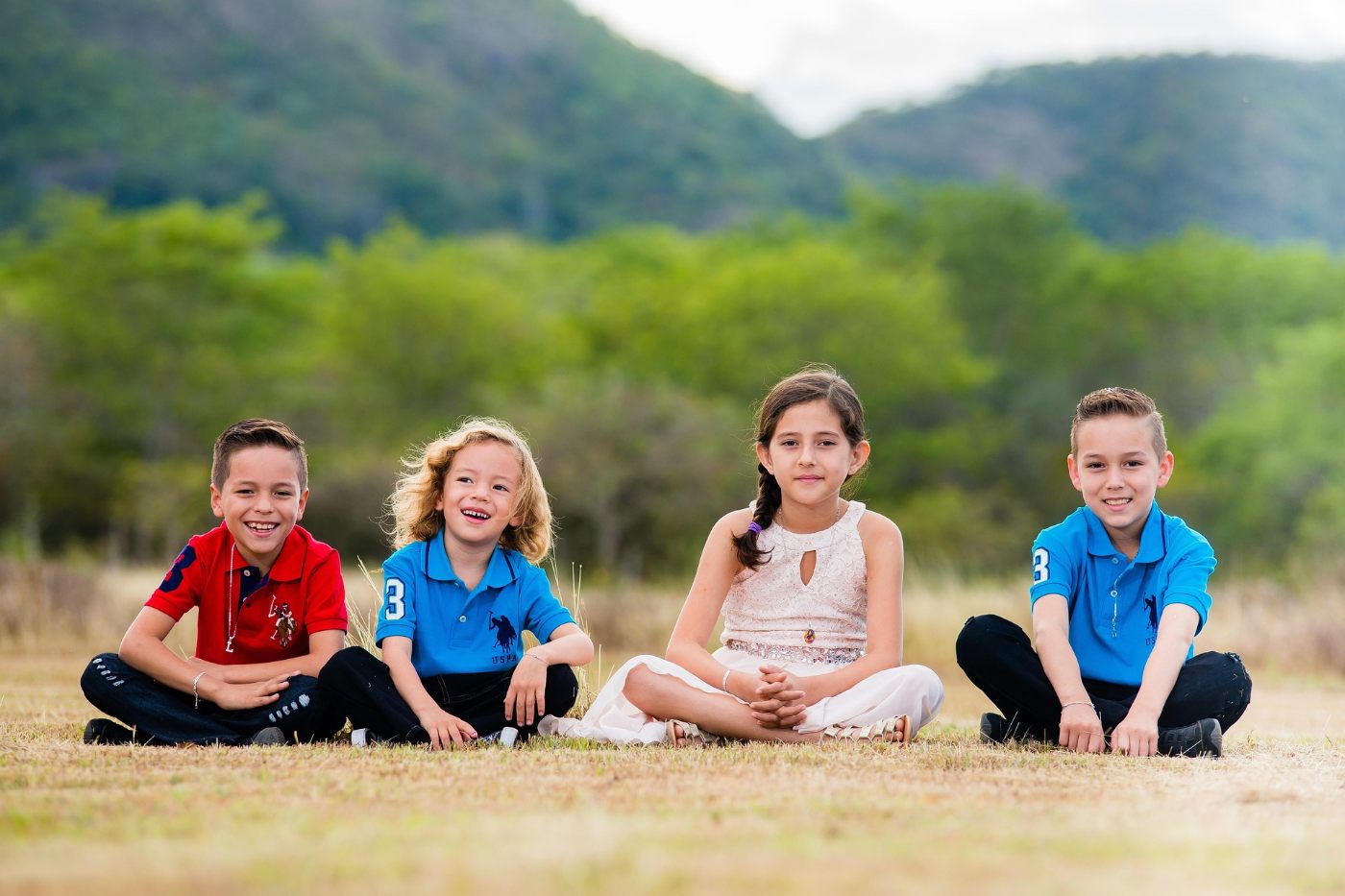
Positive relationships in a person’s life are one of the strongest predictors of happiness and emotional wellness, and empathy is essential to cultivating positive relationships.
Teaching empathy helps children understand others’ feelings, build stronger friendships, improve communication, reduce conflict and become more compassionate.
Kindness activities for children that will teach them empathy include helping a friend with a task, making cards for others, sharing compliments, including someone who feels left out, volunteering in the community, and caring for animals or nature.
Children often learn empathy best by observing it being modelled consistently by adults.
Positive psychology in schools
Schools are increasingly incorporating positive psychology into social-emotional learning programs. These approaches support emotional intelligence alongside academics.
Positive psychology being used in the classroom may involve the students spending time in calm corners, doing gratitude exercises, taking mindfulness breaks, having emotional check-ins, practicing conflict resolution skills, engaging in strength-based learning, participating in co-operative activities and writing in reflection journals.
When children feel emotionally safe and connected, their academic learning often improves as well.
Small daily moments make a big difference
Positive psychology for kids isn’t about forcing children to “stay positive” or avoid difficult emotions. It’s about helping children build emotional tools that will support confidence, resilience, connection and well-being throughout their lives.
By teaching gratitude, mindfulness, empathy, emotional awareness and strength-building, adults can help children develop healthier relationships with themselves and the world around them.
Small daily moments that involve listening with empathy, encouraging effort, practicing kindness and creating emotional safety will likely have a lasting impact on a child’s mental and emotional growth.
«RELATED READ» THE MORNING I STOPPED TURNING AGAINST MYSELF: Saying goodbye to my inner critic»
image: aaron00023