
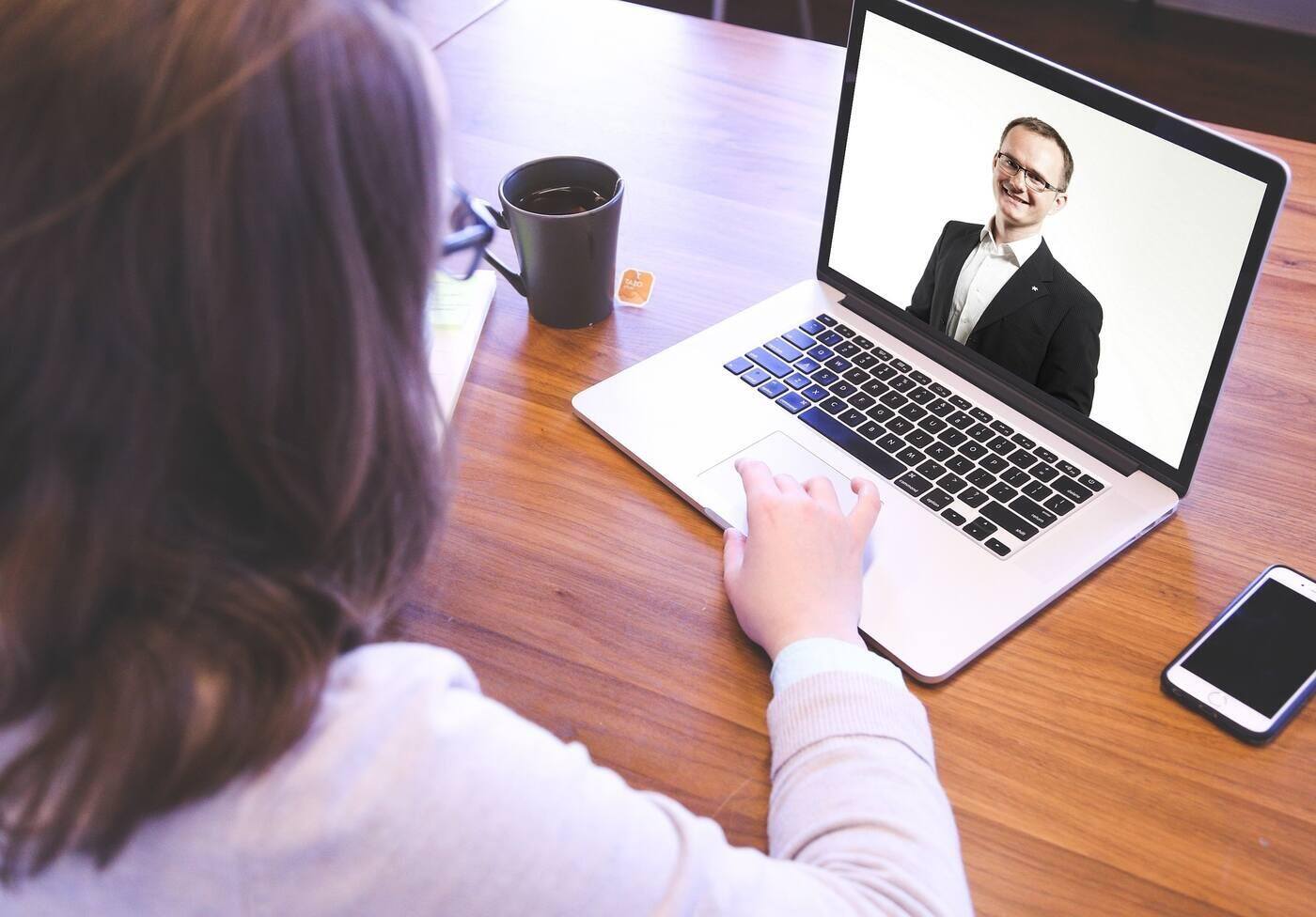

The pandemic has changed many things, including how people care for their mental health. These days, technology is an integral part of self-care, especially for those who participate in online counselling. This mental health service is provided through various online mediums and allows you to connect with therapists around the world.
Considering the pros and cons of online counselling will help you explore different options and ultimately determine whether this option is right for you.
The format is flexible
Virtual sessions come with many perks that can make counselling more accessible and helpful. Nowadays, 98 percent of therapists use a wide range of technologies, including texting, video conferences, telephones and even virtual reality to connect with patients. These tools can provide additional support and help you cope with situations as they arise.
Choose your favourite format—or use all of the above—to chat with your therapist at home and on-the-go. Studies show that texting can be just as effective as talk therapy, so you’ve got nothing to lose.
You’ll need privacy
There’s no shame in seeking professional help, but some people still feel a stigma about getting treatment for mental health issues. Luckily, it’s easier to receive anonymous treatment online than it is when visiting a therapist in person. Even so, you must have a safe, private space in which to attend your virtual appointment. That way, you’ll feel comfortable enough to be vulnerable and make the most of your meeting.
Got kids? Minimize distractions by putting them in a playpen or asking your spouse or a friend to take over for a bit. If you live with family or housemates, kindly ask them to take a walk or use earplugs while you chat with your counsellor online.
Your internet speed matters
Online counselling does have its drawbacks, especially if your internet is slow or unreliable. A poor connection can disrupt or curtail your therapy session and leave you feeling even more frustrated than before. That’s why it’s so important to check your internet speed before signing up for virtual consultations.
In most cases, a fibre connection will ensure smooth, uninterrupted sessions, whether they’re conducted on the phone or through a video conferencing app. However, you must also pay attention to upload and download speeds to ensure your internet matches or exceeds the bandwidth requirements.
You must have a goal
It can feel overwhelming to scan a long list of available online providers. Luckily, you can simplify your search and narrow down options by looking for one that supports your personal goals. What do you want to achieve from counselling? Would you rather dissect your trauma verbally, or use somatic therapy to release physical tension?
Research different types of therapies and explore different treatment options. Most people could benefit from a wholistic, mind-body approach that combines multiple methods. Sign up for a few free trials and consultations, and talk to each counsellor independently to receive advice on choosing the best treatment method for you.
It’s easier to find a match

Online, a professional counsellor will be available to you, even if you live in a remote area. The odds are good that you’ll have at least a few different therapists to choose from, too, even if your needs are hyper-specific. The best part is that you can keep changing therapists until you find the right match. That’s why free trial periods are so popular among online therapy services.
Test out different apps, formats and therapists to find one that checks all your boxes. In theory, you’ll have access to specialists worldwide, but in some areas, you may be limited to providers in the state or country where you live. Regardless of where you seek treatment, make sure your health insurance covers it before signing up.
Online counselling can be awkward
No matter how extensively you search for counsellors, meeting one virtually can still be awkward. Many professionals are new to telehealth, so they’re still working out the kinks. Plus, things are bound to be different online, so don’t be alarmed if you and your therapist are out-of-sync at first.
Once you get past that initial meeting, you’ll know what to expect, and going to your second appointment will be less stressful. If you can keep an open line of communication, you may be surprised at how well you can adapt to online counselling.
Self-awareness is key
Virtual interaction often robs therapists of gauging your tone of voice and body language. Even in a video conference appointment, your therapist might not see your knee bouncing beneath the table or the tears on your cheeks. If they don’t respond to your seemingly evident emotions, they could come across as apathetic or hurtful. That’s why it’s so important to practice self-awareness and verbally convey your feelings.
Practice naming your emotions as they arise and use descriptive language to make up for the lack of body language. Whether you’re uncomfortable, bored, frustrated or annoyed, it’s up to you to communicate those feelings and work through them with your therapist.
Virtual therapy comes with risks
As with any other online activity, virtual counselling does come with risks. While many apps and websites vet their professionals, some third-party providers don’t, which means you could fall prey to an unqualified or disreputable therapist. In these instances, it’s easy to become a victim of health care fraud. In 2020, $4.5 billion USD in fraudulent claims were associated with telehealth services.
Minimize risks and keep your information safe by choosing a therapist through a qualified site like Teladoc or Amwell (Amwell is exclusively for Americans—in Canada, Maple is a good alternative). Both of these platforms are secure and accredited, so you can feel comfortable and confident about sharing personal information. You can further improve your security by using updated software and applications that reduce the risk of privacy breaches.
Above all, be patient
Whether you sign up for in-person or online counselling, you’ll still have to put in the same amount of effort. So prepare to do the work and be patient. Recent studies indicate that it takes 15 to 20 sessions for half of the patients to recover, but the treatment length will vary from one person to another.
Regardless of how long you participate in online counselling, it can be just as effective as in-person therapy, as long as you’re willing to put in the work.
Medical disclaimer: This page is for educational and informational purposes only and may not be construed as medical advice. The information is not intended to replace medical advice offered by physicians. Please refer to the full text of our medical disclaimer.
«RELATED READ» ONLINE ANXIETY TREATMENT: Is is better than in-person therapy?»