


The current pandemic reminded everyone of the importance of indoor air quality. Suddenly, the air you breathed at the office or the supermarket became suspect.
Clean air offers multiple perks beyond preventing the spread of infectious disease, although that is one advantage. Fortunately, you can take proactive steps to purify your home or office.
The health benefits of clean air
Breathing dirty air can make you sick, fatally so. Over 10 million people die worldwide each year from particulate pollution. It kills more than the current pandemic.
It isn’t only outdoor pollution that poses health risks. Unsanitary indoor conditions can do everything from lowering workplace productivity to causing sick building syndrome (SBS). Poor indoor air quality and SBS cause people to feel unwell while they’re in the facility. They gradually feel better after they leave.
Multiple factors contribute to poor indoor air quality. People can experience health-related symptoms from any of the following:
- Inadequate ventilation
- Construction activities
- Mold
- Microbial growth
- Insects
- Perfume
- Cigarette smoke
- Outdoor pollutants
- Volatile organic compounds
Businesses can maximize their bottom line by addressing poor indoor air quality issues. While fixing the problems may result in an initial expenditure, the repairs pay for themselves quickly. Consider the following six benefits of improving breathability.
Preventing the spread of infectious disease
The SARS-CoV-2 virus spreads through airborne respiratory droplets. One thing facilities can do to improve their indoor air quality and reduce the chances their staff or patrons will become sick is to require masks on the premises.
Although many jurisdictions have revoked any previous ordinances, private businesses retain the right to set more restrictive policies. The preponderance of the science supports the theory that covering your nose and mouth prevents infectious disease spread.
However, not all facilities can readily mandate mask use. Some businesses, such as eateries, require patrons to remove face coverings. Others, such as gyms, may face complaints from those who say they can’t breathe. Maintaining your HVAC system and ensuring adequate ventilation is your next-best measure for preventing disease spread.
Such facilities might consider disinfecting the air with germicidal ultraviolet light. Other creative measures, such as turning down the music to discourage shouting, can likewise reduce the number of droplets in the air.
Decreasing allergies
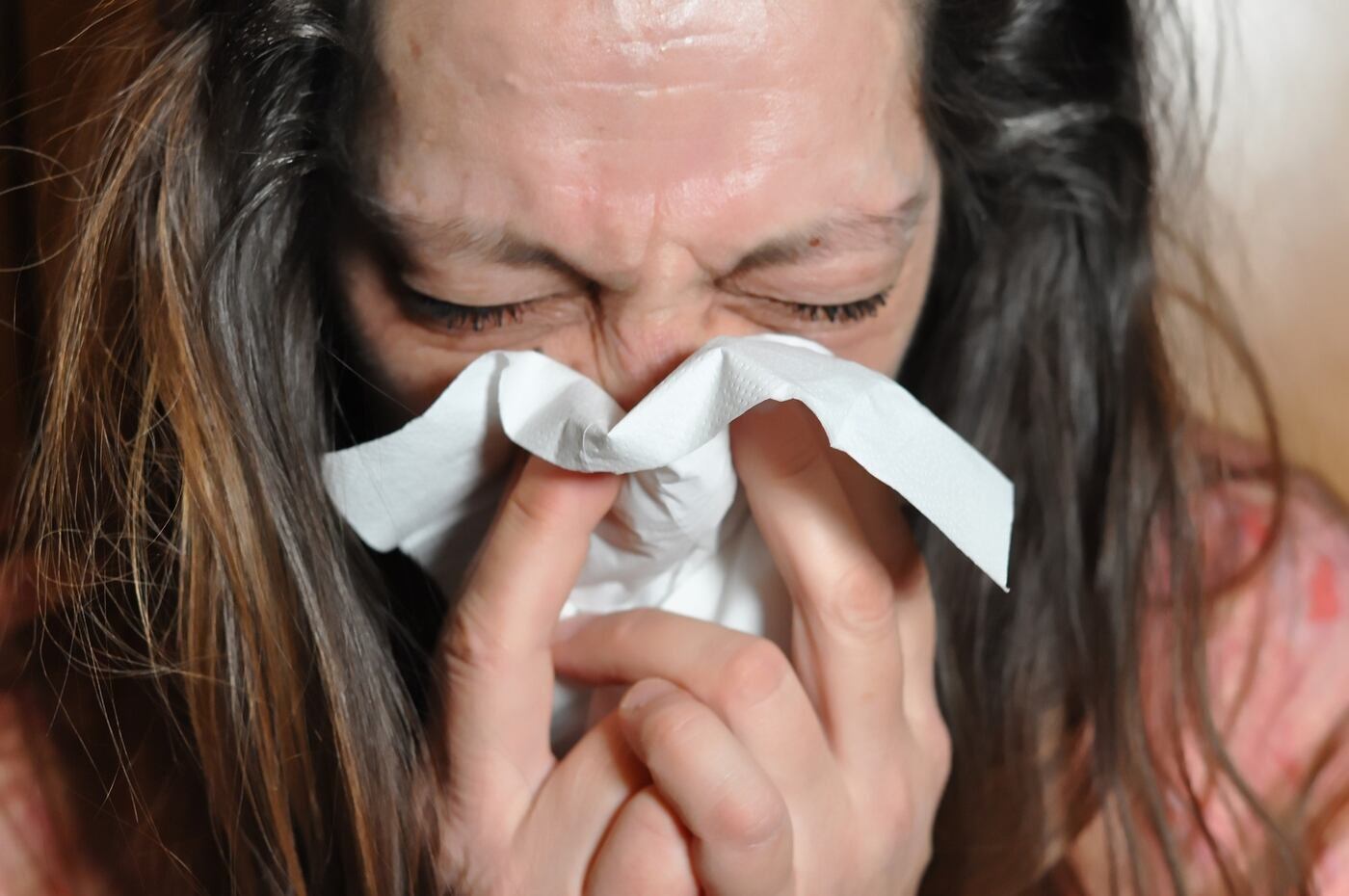
Anyone with allergies can testify to how miserable they can make you. All that sniffling and sneezing also increases the number of germs in the air. Plus, seasonal symptoms can make your colleagues nervous during a pandemic.
One 2014 study suggests that using filters with a minimum efficiency reporting value (MERV) rating of 12 or higher reduces those particulates most likely to cause indoor allergies. Pay attention to this figure the next time you perform your routine maintenance. You could end up cutting back on the amount you spend on tissues.
Reducing headaches
Poor indoor air quality can cause a host of migraine-like symptoms, including headaches and nausea. Pay attention if your head always starts to ache around the same time each day. Poor indoor air quality could be the culprit if you can’t identify another source, such as light or heat from a nearby window.
Improving productivity
You don’t work as efficiently when you can’t see your computer screen properly due to itchy eyes. Nor are you as effective at balancing that budget report with a pounding skull.
All the symptoms related to poor indoor air quality and SBS wreak havoc on workplace productivity. They may also increase absenteeism. A recent study by Ambius revealed that one out of every two office workers reports productivity loss due to poor air quality. About 40 percent became so ill they called in sick.
Boosting mood and psychological health
Not feeling well adversely affects your mood. Furthermore, some researchers theorize that inflammation may play a role in anxiety disorders. Improving your indoor air quality could result in you feeling healthier and happier.
Lengthening your lifespan
Air pollution currently cuts millions of lives short by up to six years. You can’t single-handedly solve the pollution problem, but you can prolong your lifespan by ensuring the indoor air you breathe for the better part of every day is pure.
8 ways to improve air quality at home
You may not have the final say over maintaining the HVAC system at your workplace or implementing changes to current operating procedures. Nonetheless, you can ensure that the air in your home remains as pure as possible by doing the following:
Changing your filters
How frequently you change your filters depends on the type you select. You should change inexpensive fiberglass filters monthly. Schedule this chore when you pay your mortgage or rent so you don’t forget.
More tightly woven filters with higher MERV ratings last longer. A good rule of thumb is to swap them out every 90 days, though you may want to do so more frequently if you have pets or smokers in the home.
Opening your windows
The more you improve your ventilation, the better your indoor air quality will be. Open your windows whenever weather permits, investing in screens if your home lacks them.
Another thing you can do is turn on ceiling fans. You can also use window units to improve airflow.
Watching out for VOCs
Volatile organic compounds are gases emitted from certain solids or liquids found in household products. Paints and varnishes are common examples. So are fuels such as propane, which is one reason you should never pull your grill into your garage.
Pay attention when you’re buying new cleaning products, paint, carpeting or furnishings. Seek those that are labelled low-VOC to protect your family.
Refraining from smoking
The bottom line? If you smoke, you should quit. Please don’t despair if you tried before and failed—it takes many people several attempts before they kick the habit for good. A quick online search will reveal free resources that can help you on your healing journey.
Checking the content of your cleaning materials
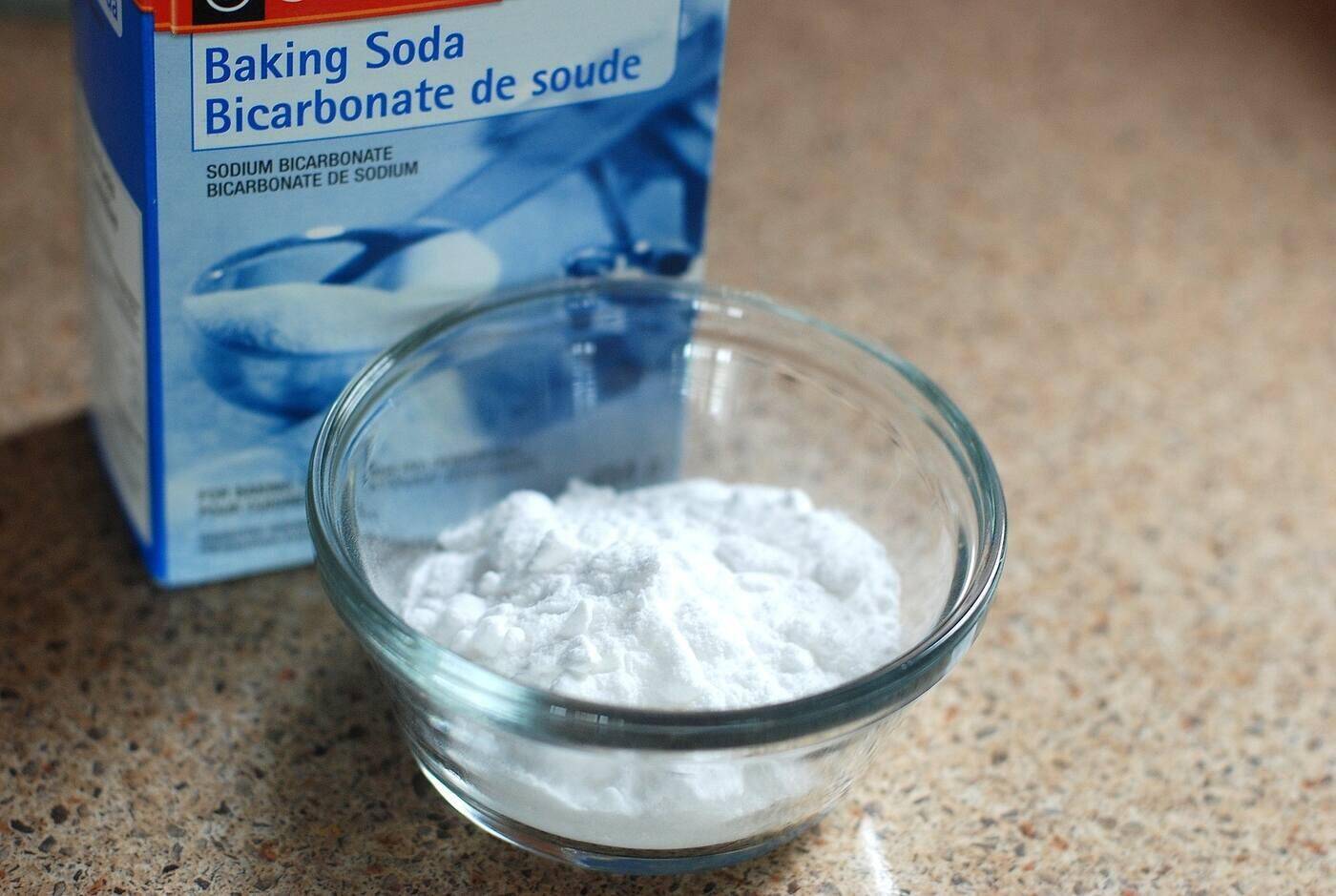
VOCs often occur in cleaning products, but one fairly simple solution to this problem is to mix DIY products at home to minimize your exposure to these compounds. All you’ll need is some vinegar, baking soda and hydrogen peroxide to tackle many household chores.
Opening interior doors
The more you enclose your space, the greater the concentration of germs within. Whenever possible, keep your interior doors open to encourage circulation.
Using your exhaust fans
Be sure to use your exhaust fans in your kitchen and bathrooms. Doing so is particularly critical in rooms with no window to the outside, such as interior powder rooms.
Getting tested
If you and your family experience flu-like symptoms with no apparent cause, consider getting your indoor air tested. You may have an underlying problem, such as a mold infestation that’s making you and your loved ones sick.
Improve the air and reap the benefits
Cleaning up your indoor air has multiple health benefits. Take the steps above to improve your air quality at home (and at work, if possible) and breathe more comfortably!
«RELATED READ» BREATHE FRESH AIR: 5 ways to reconnect with nature»

