


Having an Indigenous mother, it would not surprise us if she chose a homeopathic remedy versus a medicinal remedy to cure our ailments. In fact, her practice was so fastidious, I recall being 19 and teasing her about being a Shaman. I did not understand the value of her teachings, however, until I made an emergency room visit last fall.
At the ER I was asked, during an intake by the nurse, what medications I was on. When I replied none, she acted surprised, “Really? That’s really good for your age.” Ego aside, I shared the story with her about my mother’s preoccupation with a healthy diet and non-traditional medicine. She laughed, assuring me that was probably the reason I wasn’t on any type of medications, if I had, indeed, followed my mother’s teachings.
It was then I had an epiphany and correlated my mother’s teachings to a medicine-free life, post-50, and realized how fortunate I was to have experienced those teachings.
The herbs in my garden
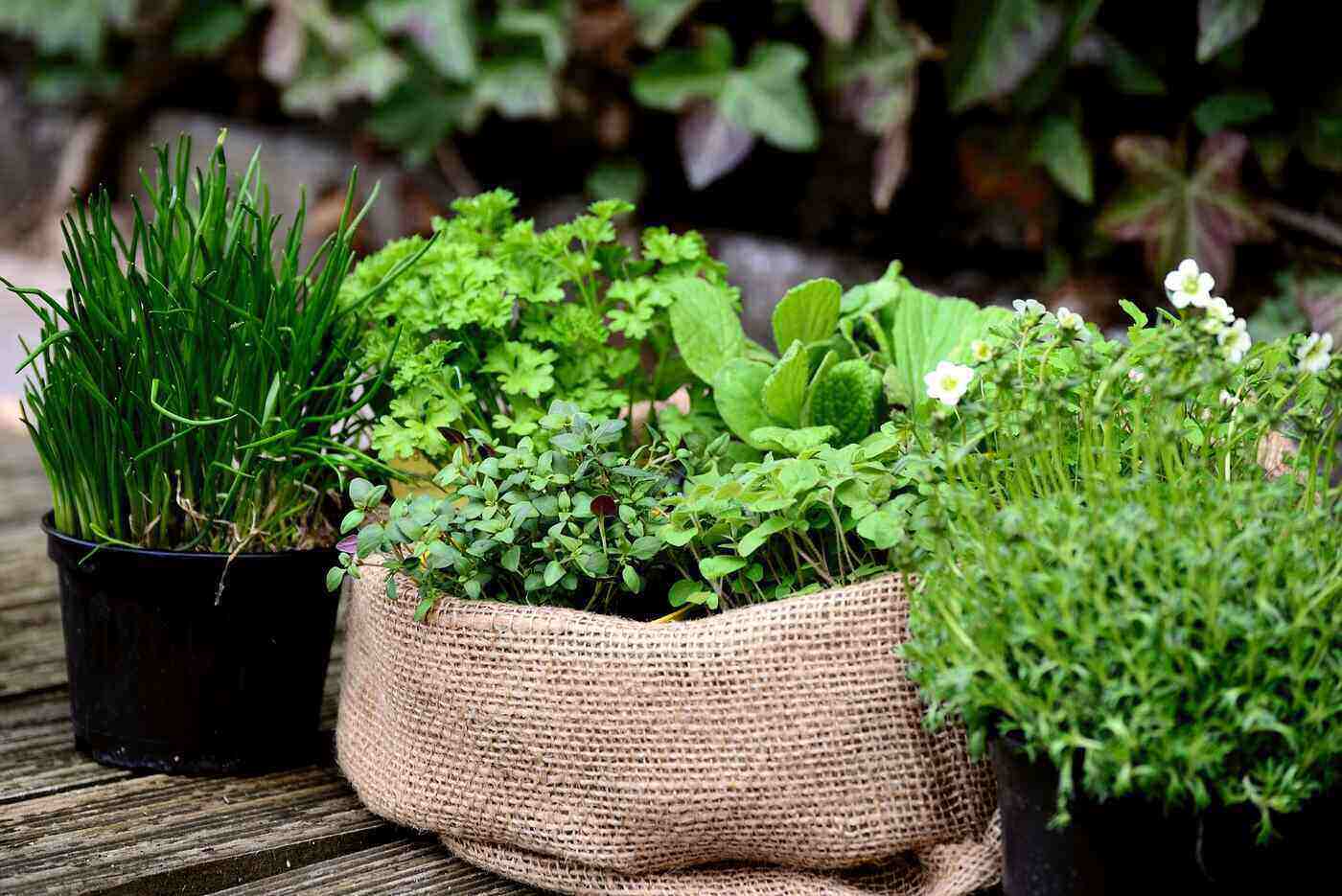
With spring approaching and fighting the winter blahs, I started thinking about a healthy diet and lifestyle, and how it would be nice to be able to grow some of the natural herbs I grew up with as a child indoors. I decided to plant basil, bay leaf, chervil, chives, oregano, parsley, rosemary, sage, tarragon and thyme. Why these herbs? Each may be used in a recipe and each herb offers some form of health benefit:
Basil
Basil is used in many Italian dishes and is also a great add to spaghetti. It offers vitamins, minerals and antioxidants. One excellent use of fresh basil is to make your own basil pesto. Here’s a recipe for basil pesto crostini.
Bay leaf
Bay leaf, when added to spaghetti, is a great source of vitamins A, and C, along with iron, potassium, calcium and magnesium. The medical community has also opined that bay leaf has proven useful in treating migraines.
Chervil
Chervil is similar to parsley, but it’s not as strong. It is a good source of vitamin C, and contains carotene, iron and magnesium in healthy, natural doses. It is best used as an accent to fish, chicken and egg dishes, and it also aids sluggish digestion. When brewed as a tea, it can also be used as a soothing eyewash. Chervil acts as both a nutritional and medicinal herb.
Chives
Chives have a wealth of nutritional value. They also help the consumer in the following ways:
- They fight cancer.
- They protect the heart.
- They improve bone health.
- They ease the digestive process.
- They detoxify the body.
- They boost immunity and vision.
- They promote good health during pregnancy.
- They enhance sleep and mood.
- They have excellent antibacterial, antiviral, antifungal and antibiotic properties.
Who would have thought chives would contain such a wealth of health benefits? I have taken to using them quite frequently lately. They have a wonderful flavour and add a kick to salads, pasta and even popcorn, especially when sprinkled with butter.
Oregano
Fresh oregano contains a significant antibacterial agent and is famous for fighting infections such as staph. It helps prevent cell damage, and it’s an excellent source of fibre, vitamin K and iron.
Fresh herbs belong anywhere you put them

Parsley
My mother was a huge fan of parsley, and it could be found in many of our homecooked dishes. It is a natural diuretic, as is asparagus.
Parsley is rich in minerals. As we age, we tend to lose minerals in our system. We are conditioned to think “vitamins,” and are often uneducated about how low mineral levels can lead to subliminal health problems. If undiagnosed, these problems could lead to greater medical issues.
Health professionals warn that we need to pay attention to our mineral intake as we age, so our mineral levels do not become deficient. Magnesium is an important mineral we need to be especially attentive to as we age. A lack of magnesium may lead to serious health issues.
Rosemary
Rosemary was another herb found regularly in our kitchen cupboard. Rosemary contains antioxidants, has anti-inflammatory properties and boosts the immune system. Rosemary is also considered a cognitive stimulant and can help improve memory performance and quality. It is known to boost alertness, intelligence and focus. For a delicious use of rosemary, try baking Rosemary Chicken.
Sage
Sage, like rosemary, is also considered a “cognitive” stimulant. Not only is it a digestible herb, but it is also burned and considered a “spiritual cleansing” tool in Indigenous, religious and spiritual practices. Sage reduces inflammation, strengthens immunity, aids with digestion and lowers cholesterol levels. Not many know the value of sage, but best recognize it as a spice used when cooking a turkey with dressing.
Tarragon
Though it’s not commonly heard of, tarragon is an herb that can, surprisingly, be found in many dishes. Tarragon can be used in at least 40 recipes. Tarragon reduces inflammation while containing few carbohydrates and calories. It can reduce blood sugar levels and even help relieve pain from osteoarthritis. It also assists with preventing food-borne illnesses, and it is good for your heart.
Thyme
Last, but not least, thyme is said to resist harmful organisms and support respiratory health. It acts as a mood booster and fosters healthy-looking skin. Thyme can be used as a spice to enhance chicken, stews, soups, eggs, pasta, vegetables and beans. Thyme even acts as a natural bug repellant, once it is ingested into the system.
A healthy winter project
All of these herbs may be grown indoors, year-round, and doing this would make a productive and healthy winter project. Although the snow may still be flying, spring is truly not that far away.
I remember owning a home in Michigan, and in late January, I would put my spring wreath on the front door, even if it was snowing outside. Through guided imagery, I was able to imagine warmer weather approaching, which helped lessen the harsh reality of an often-brutal winter just outside my front door.
Are you suffering from cabin fever as we all tend to at this time of year? Think spring and a healthy diet, celebrate your inner Shaman and start an herb garden in your home as a Winter project. You will be happy when you are able to use the herbs in dishes and recipes, while knowing that each brings some positive health benefit—not only to your table, but ultimately, to your diet as well.
“Fresh herbs really belong anywhere you put them.” – Alex Guarnaschelli
Medical disclaimer: This page is for educational and informational purposes only and may not be construed as medical advice. The information is not intended to replace medical advice offered by physicians. Please refer to the full text of our medical disclaimer.
«RELATED READ» STAY GREEN: Growing indoor herb gardens»
image 1 congerdesign from Pixabay 2 image by thepassenger from Pixabay

