
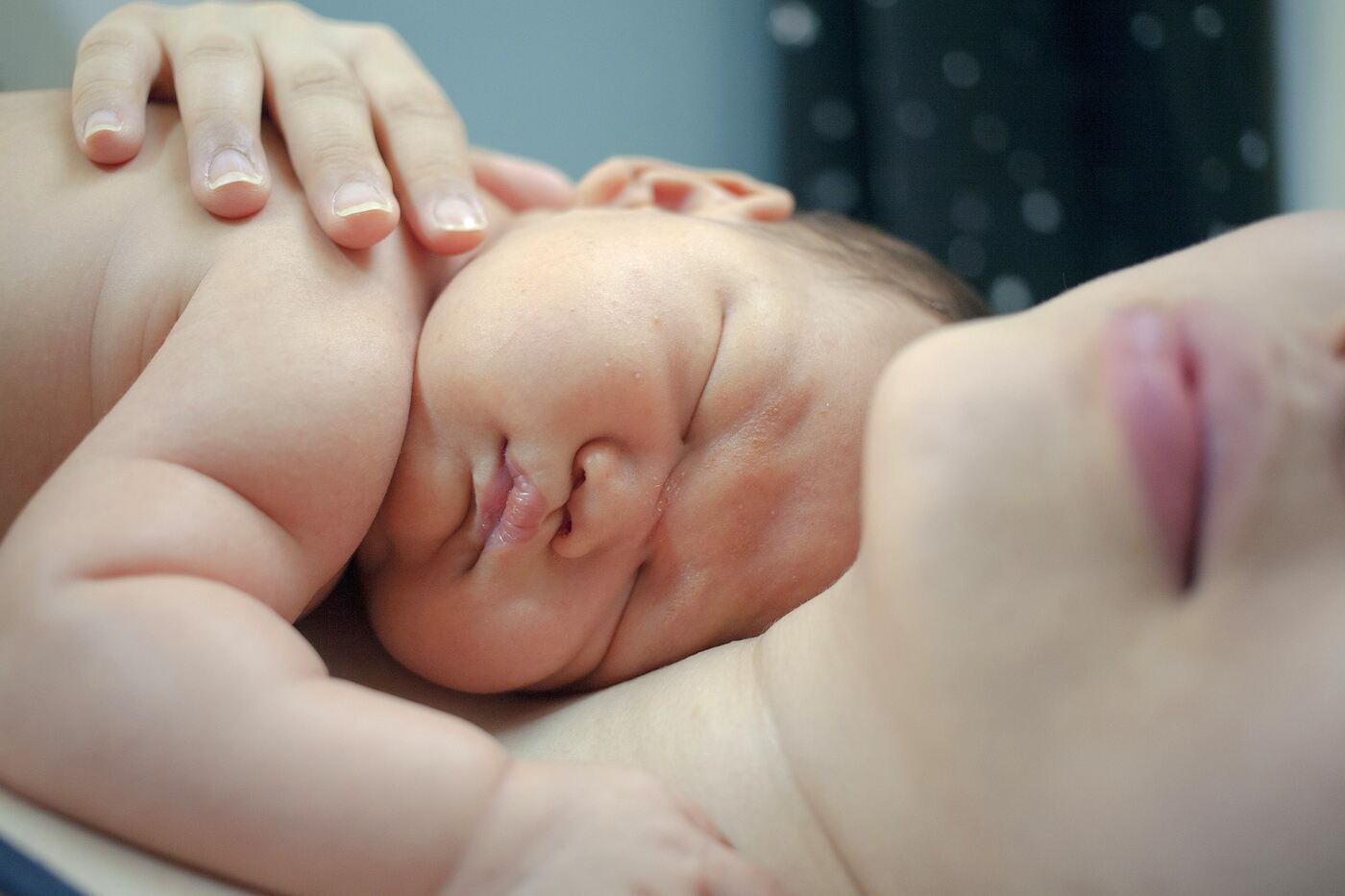

If you have an uncomplicated labour, you can request your healthcare provider to immediately place your baby on your bare chest after delivery. This is what is referred to as skin-to-skin contact. The moment your baby is placed on your chest, time will feel like it is standing still.
After going through many months of pregnancy, you will finally get to meet your baby and gaze into their eyes. You can take in all their features from the shape of their nose to how much hair is on their head. This can only be described as a moment of presence and calm.
In the past, it was not uncommon for babies to be whisked away from their mothers right after childbirth. The baby was taken to be assessed, bathed or passed to other family members under the assumption that it was better for the mother and baby.
Research now shows that keeping the baby with their mother in a skin-to-skin position for the first hour after delivery improves bonding between the mother and baby, increases initiation of breastfeeding and the likelihood of exclusive breastfeeding, and lowers maternal and infant stress after birth.
Let’s explore the benefits of skin-to-skin contact and discover how this simple yet mindful act can create a lasting and positive impact on you and your baby.
Building a bond with your baby
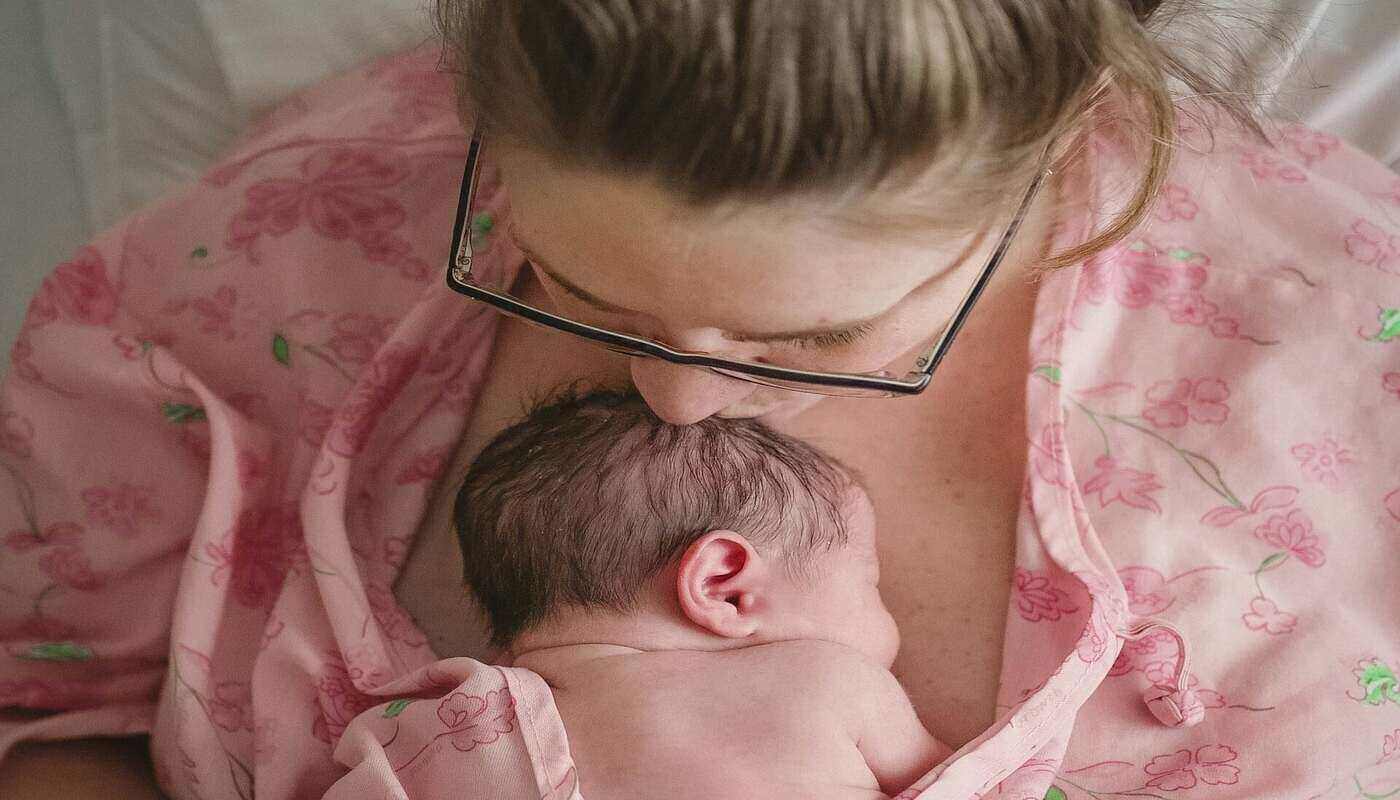
Having your baby lie on your chest within the first hour after birth will help you bond with your baby. You might be asking: “Why is bonding with my baby so important?” The answer is that early bonding can promote maternal confidence as you observe your newborn’s cues and follow through by meeting their needs.
Bonding with your newborn also helps them build a healthy attachment to you, and this attachment goes beyond the newborn phase and stays with them through their childhood.
Some women find it difficult to connect with their baby during their pregnancy and it is not until they physically hold their baby that they begin to build a bond. You may feel an instant connection when your baby is skin-to-skin with you.
Do not feel guilty if it takes some time to feel connected to your baby; that is perfectly normal. However, if you feel you are becoming increasingly disconnected from your baby, talk about it with your doctor, as this could be a symptom of postpartum depression.
Early breastfeeding initiation
The nutritional fortitude of breastmilk gives babies the best start to life. With your baby lying directly on your chest during skin-to-skin contact, you are in the perfect position to initiate breastfeeding.
There are certain reflexes that babies are born with that will help in the initiation of breastfeeding. One such reflex is a heightened sense of smell towards the mother’s breast and breast milk. This sense of smell helps the baby find the breast and latch on. It is best to ask for help from your nurse or midwife when breastfeeding your baby for the first time, to ensure a comfortable latch.
Another benefit of initiating breastfeeding immediately after birth is that it will cause your body to release a hormone called oxytocin. Oxytocin causes your uterus to contract effectively. This release of oxytocin that occurs as a result of breastfeeding is perfectly timed to speed up the last stage of labour when the placenta is delivered. Oxytocin will help your uterus contract to deliver the placenta and control postpartum bleeding.
Lower your stress
Soon after your baby is delivered and they are placed skin-to-skin, you will have to deliver the placenta and have any perineal tears stitched. This part of labour and recovery can be uncomfortable. However, your baby resting on your chest will serve as a welcome distraction.
The hormone oxytocin also comes into play here, as oxytocin is released during intimate moments like skin-to-skin contact. This release of oxytocin will help lower stress and promote recovery because oxytocin is a hormone that promotes positive feelings and emotions. Your baby will also benefit from this interaction, as skin-to-skin contact will keep them warm and calm against your body.
A delay in skin-to-skin contact
Despite all the wonderful benefits of skin-to-skin contact, do not feel discouraged if there are barriers to holding your baby immediately after birth. It is not uncommon for skin-to-skin contact to be delayed due to a C-section delivery or newborn complications.
In these cases, bonding and initiating breastfeeding can still be supported through skin-to-skin contact, even if it happens a little bit later. Babies are resilient and can still benefit from skin-to-skin contact even weeks or months after delivery.
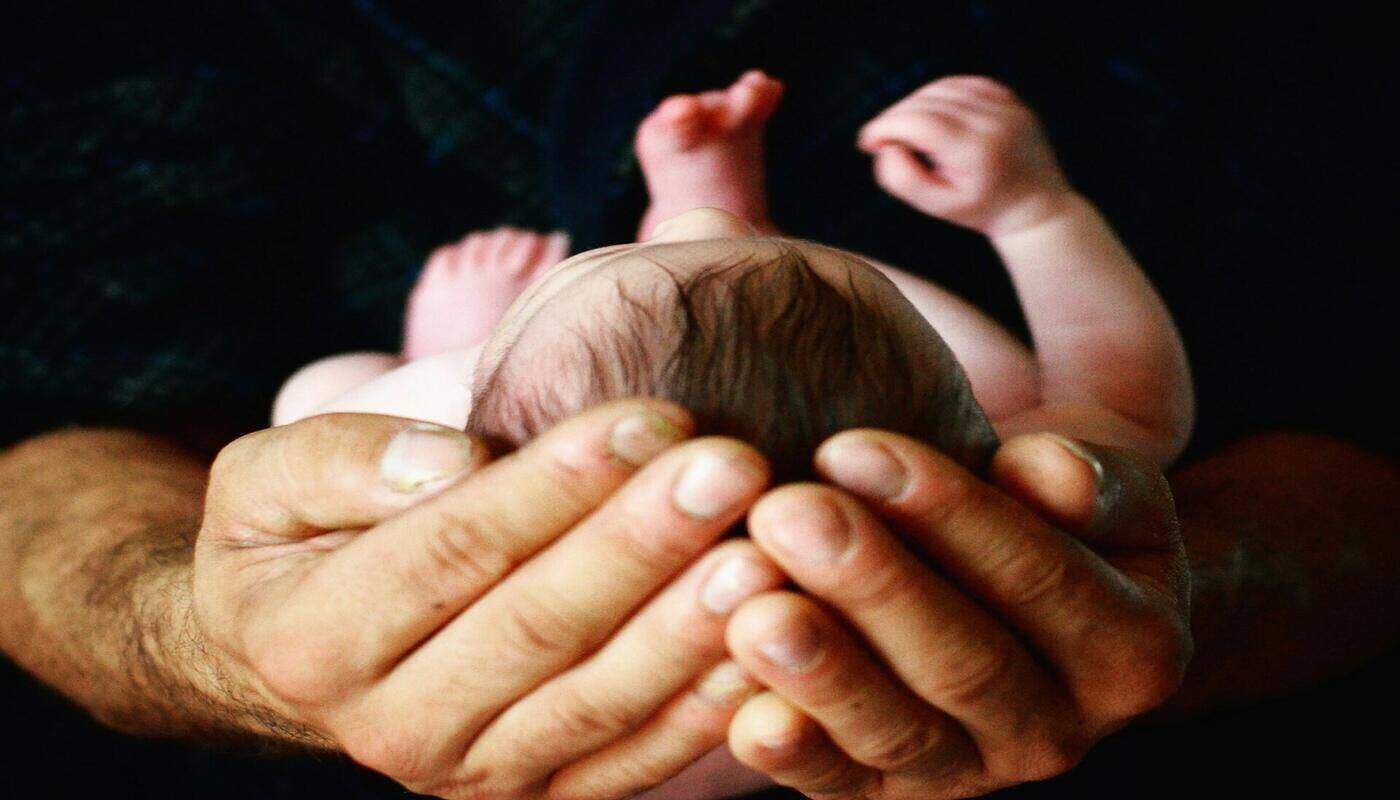
If your partner is present at the delivery, then they are also welcome to participate in skin-to-skin contact. Your partner will simply need to position themselves in a comfortable chair and then place the baby on their bare chest with a blanket. This moment will be equally memorable to your partner as it will serve to build a strong bond between them and the newborn.
As a postpartum nurse, I view skin-to-skin contact as one of the simplest interventions that brings the most benefit to the mother and baby. This experience of skin-to-skin contact is a time to live fully in the moment and admire the beautiful life event that is childbirth.
Medical disclaimer: This page is for educational and informational purposes only and may not be construed as medical advice. The information is not intended to replace medical advice offered by physicians. Please refer to the full text of our medical disclaimer.
«RELATED READ» PARENTHOOD: Reading my baby is better than any book I ever picked up»
image 1: samuel Lee; image 2: Jimmy Conover; image 3: Jill Sauve