
As a student of Zen for decades, as well as Stoicism for a couple of years, I have been inundated with the idea of staying in the present moment. I would describe myself, and others do, as an expert on the notion. However, the more I have worked with this concept, the more I realize it is a flawed thinking process.
For example, we can never get “out” of the present moment. It is impossible to do. So, with that factual information in hand, the “present” has turned into a bit of a catchphrase for this day and age to instruct/retain people who are looking for happiness and peace (retain as in keeping people coming back for more instruction). It is sort of a catch-all phrase to keep people from wanting the past for more than what it was or wanting the future to go exactly as they desire. This, in theory, is solid. In reality, it isn’t functional.
Memories differ from reality
First, let us admit that it is a terrible idea to base your existence on your past history. This is mostly because the majority of our brains are horrible failures as storage systems for detailed information from our own past. We view things now much differently than how they actually happened. With that said, we would not be using our human reasoning or logic to view history (our own and the world’s) and make logical assumptions based on what we think to be true in the process of making life decisions now.
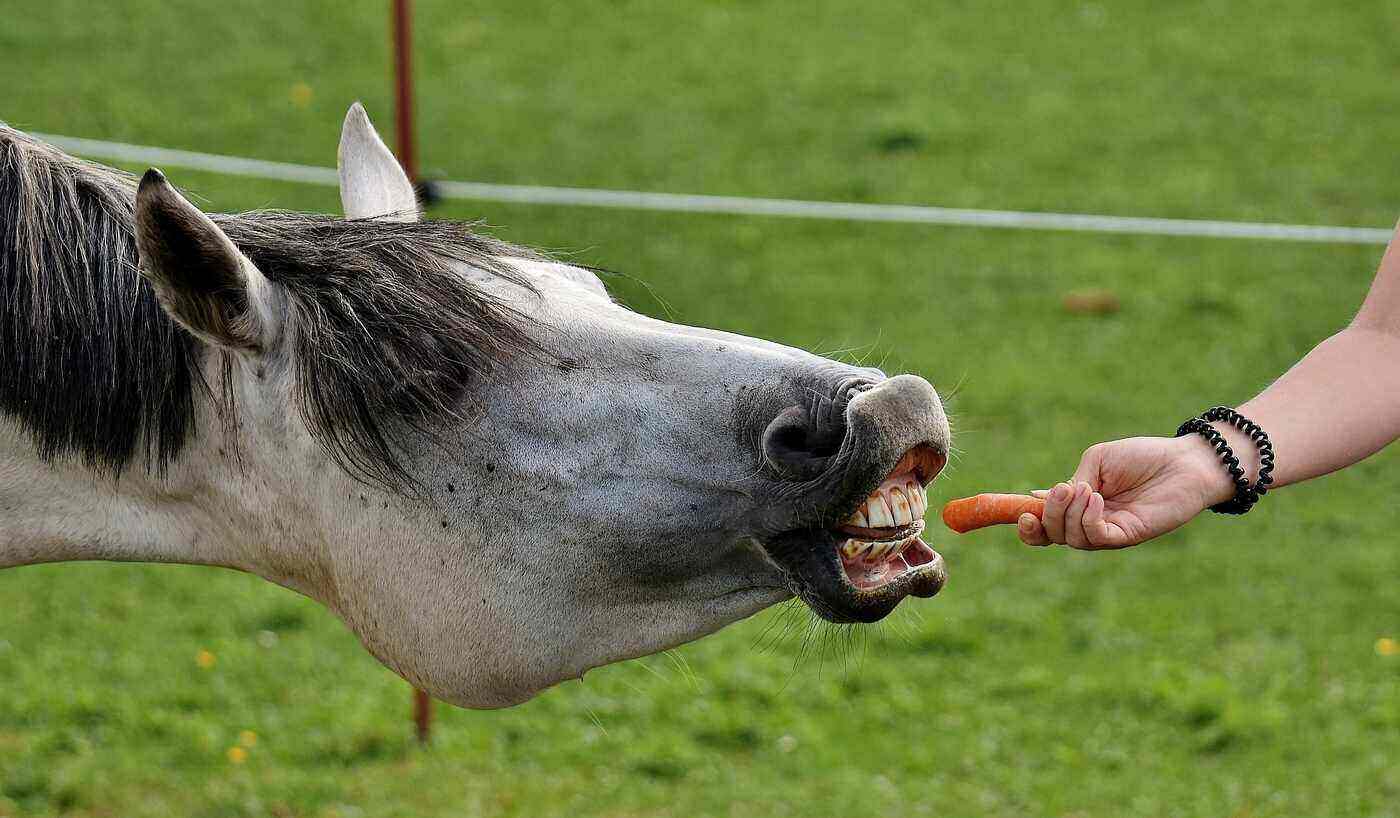
For instance, if I ate carrots last week (hint: I didn’t) and loathed them, there is a fairly good chance I won’t like the same version of carrots this week. This is an extremely basic example, considering the fact that even animals can have food preferences and memories of what caused them to feel unpleasant.
Most of us have the ability to reason well above and beyond what any other creature can, so we can be a little higher-minded about it. Surely, we can all agree that the atomic bomb was incredibly destructive, and want to do everything we can to avoid a nuclear bomb in the future. I, for one, have high hopes that there are some forward-thinking people out there ensuring that this doesn’t happen. I don’t want them to invest all their energy in staying in the present moment!
Sure, there is an argument in there that there is no way that similar things will always have the same results. There are variables. Carrots can taste differently from carrot to carrot, or even in different recipes, for that matter. I have yet to find that variable and have stopped trying—your mileage may vary. That is me.
I believe we all can see that the superficial statement to “stay in the present moment” does not offer these arguments or take in the concept of variables. It only states that we should do everything possible to stay in the present. Now, we should ask ourselves: Is that always wise?
We see where the past can be beneficial and harmful. As with anything else, there is always a good and a bad. That must mean the present moment is surely greater than trying to live in the future moment. Well, sure. If our only reason for trying to get into a space of future-forward thinking is in order to worry ourselves, that would be unquestionably bad.
Once again, there is a positive side to the ability to somewhat predict the future. If we see a weather report that says it is going to snow heavily on Tuesday, we can prepare for it. If we wish to save money now so we can be more secure in the future, that is not living in the present moment. Surely, no one can find fault in that thought process, though. A smart aleck might say: “Well, we could die, so what is the point?” To which a wise person would say that even squirrels stock up for the winter and they are rodents with brains the size of a walnut.
We are humans with, presumably, a much better logic and reasoning system than our bushy-tailed friends, so why not use it? In fact, aren’t we required to use it based on wanting to live?
Knowing all of this, and knowing that great minds like Aurelius, Dogen, Suzuki, Seneca and many more have all lauded the benefit of staying present, why would I be suggesting otherwise? It is because their thought process on this has been twisted. We do not operate under the impressions and lifetimes of these great thinkers.
The modern present moment movement is more along the lines of the thought process of cartoonist Bil Keane, who wrote: “Yesterday’s the past, tomorrow’s the future, but today is a gift. That is why it is called the present.” We like the fairytale version where the present is in our possession.
Draw from the past, gear for the future
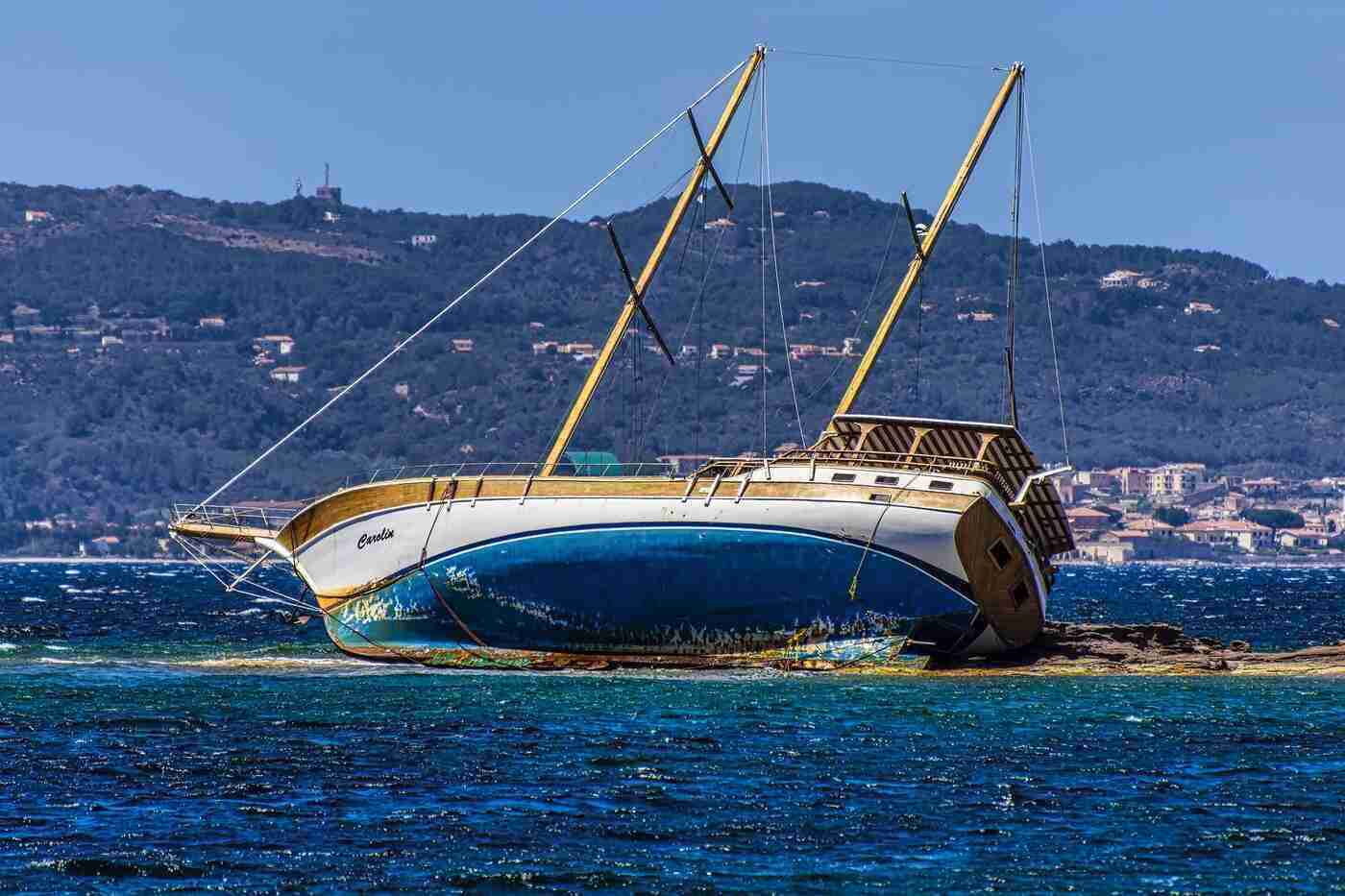
If we want to be honest with ourselves and are seeking a better existence, then we need to grasp that while our physical presence will always be in the present, our minds are capable of drawing from the past and gearing up for the future.
While our physical presence will always be in the present, our minds are capable of drawing from the past and gearing up for the future.
That is what the aforementioned “great minds” were referring to: the ability to make good and sound judgments in the “present” based on information we have from the past, while also turning a watchful eye to the future. This is how we exhibit our wisdom, justice and temperance.
Theirs was not a mystical commentary inspiring us to all put aside our thinking abilities and rely solely on the happenstance of whatever moment we were in; it was a guide to how to stay grounded as we handled whatever reality presented to us.
All that being said, it would be wise of us to keep our thoughts in the present moment as often as we can to avoid the pitfalls of false memories and needlessly worrying. Within reason, of course. To try to permanently place your attention on the here and now is neither human nor natural. It is not using reason or logic. You have to be a bit of a forward thinker to plan, as well as a student of the past to know what to look for again.
I think it is a mixture. I, for one, got tired of beating myself up about not always being in the present moment. I finally figured out that it was because I was going against nature in doing so. How about you?
«RELATED READ» ON MINDFULNESS AND THE PRESENT MOMENT: Whatever you give meaning to is all the meaning it has»
image 1: Genty; image 2: Alexa; image 3: Giampiero Fanni