
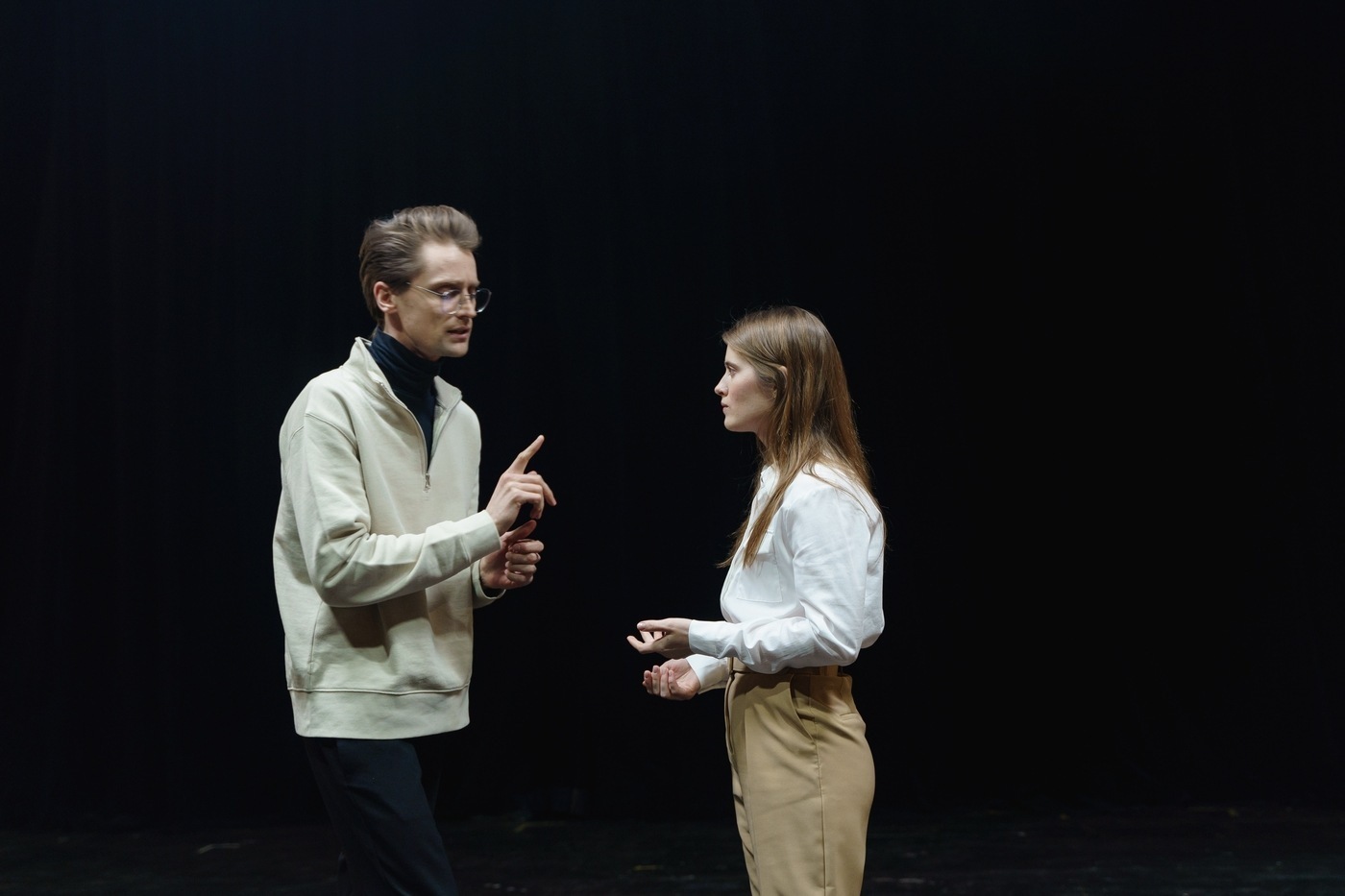

My palms are clammy and I’m able to feel my heart thumping in my chest. While this would typically signal a rise in anxiety, this was an entirely different experience. I felt alive, invigorated, uncertain, but ready. I was waiting for an audience suggestion and the scene to begin.
Improv play
My foray into improv started off by spontaneously signing up for a continuing education course at the university at which I was teaching a research methods class. Being both a college professor and someone who takes planning and preparation to the extreme, I wasn’t quite sure that I was up to the task.
The butterflies in my belly that commanded my attention during the first couple of classes soon turned into energy that kept me alert and engaged. One class turned into several drop-in courses, as well as enrolling in the beginning course sequence at local improv training centres in New York.
Improv was a way for me to play and try something new, but I soon began to see it as part of my self-care ritual. In the absence of knowing what would or could come next, I was completely present; I was unintentionally practicing mindfulness.
Professional pursuits
I am an educational psychologist turned therapist. In my former role as an academic, I studied learning and motivation, and would work with students to set and attain their educational goals. As a therapist, I collaborate with people as they work through experiences with anxiety, strive to attain a better work/life balance and set clear boundaries.
Mindful awareness, or being fully present in the moment-to-moment experience, is for anyone.
I often discuss the benefits of mindful awareness with my clients from both a research and practical perspective, and will work through several techniques with them, such as breathing exercises, meditation, turning towards complicated emotions, progressive muscle relaxation and tuning in to sensory experiences.
I also often challenge misconceptions such as: meditation must be time-consuming to pay off, and meditation is only for a select few who are religious, spiritual, already relaxed (insert your adjective here).
Mindful awareness, or being fully present in the moment-to-moment experience, is for anyone and enables us to become better acquainted with our emotions and more deeply in touch with our experiences.
Professionally, I was all about mindful awareness, but personally, I struggled. I realized I was not fully allowing myself to embrace the practice, after listening to a meditation audio track at 1.5x speed so that I could get through it faster and return to work. I wasn’t practicing what I so often would preach, and I was pushing past my present.
Mindfulness and improv
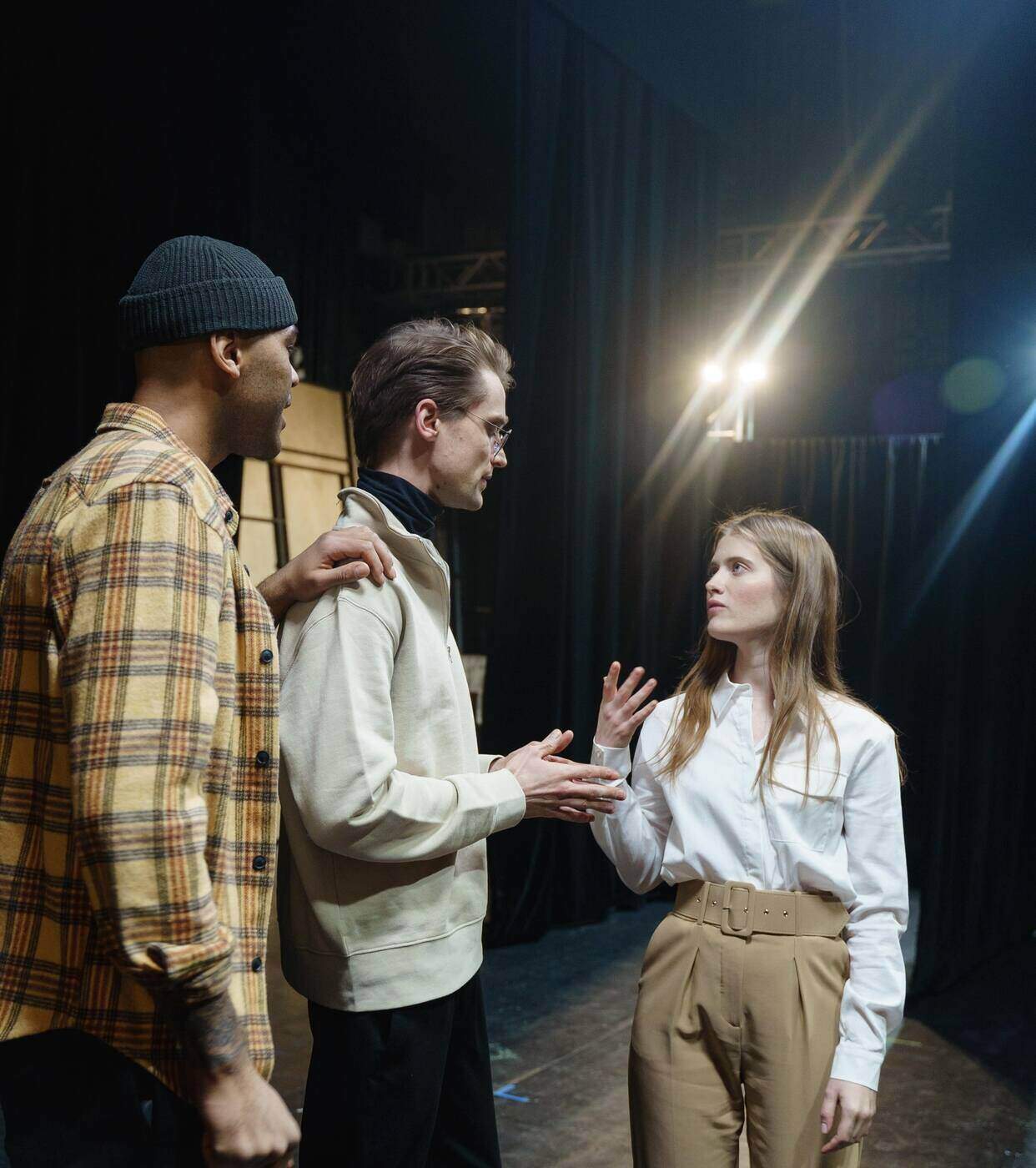
Mindfulness teaches a person to be present in the moment, from a curious and compassionate stance. If your mind wanders, that’s OK. Simply recognizing this and gently guiding your awareness back to a focal point, such as your breath, is mindful in and of itself.
This parallels improv, in which you are in a scene and using the hallmark principle of “yes and…”, in which a person responds to and continues with whatever is offered up by their scene partners.
You simply accept what you are presented with by your peers (or the audience) and build on it. There is no prep, no ability to plan out all the possible scenarios (and how they may potentially go wrong); it’s just you, your peers and your non-judgmental presence that builds the scene.
As with mindfulness, improv requires practice so that you can stretch your active listening muscles and embrace the uncertainty (and the discomfort that can sometimes come with it). It is not necessarily easy, and that is OK. It may be uncomfortable, especially when you are used to planning out every single detail, and that is OK. However, by embracing the game and allowing yourself to play in the present, you can interact with others and build complex and wonderful stories.
All of this occurs without any preconceived restrictions as to what should or ought to happen, if you can allow yourself to let go. It is in those moments that you are present in play, engaged and free.
Jump in!
As I step away from the sidelines and jump without a safety net, listening for the suggestion provided by the audience, I am fully aware and in the moment. The state of uncertainty surrounding the next scene and my next move feels completely unstable, yet reassuringly safe at the same time. So, if you are looking for a new way to practice being present, I suggest you jump in and play.
«RELATED READ» JUMPING FOR JOY: The journey of a male dancer, from first plié to total hip replacement»
image 1 Photo by cottonbro from Pexels 2 Photo by cottonbro from Pexels