
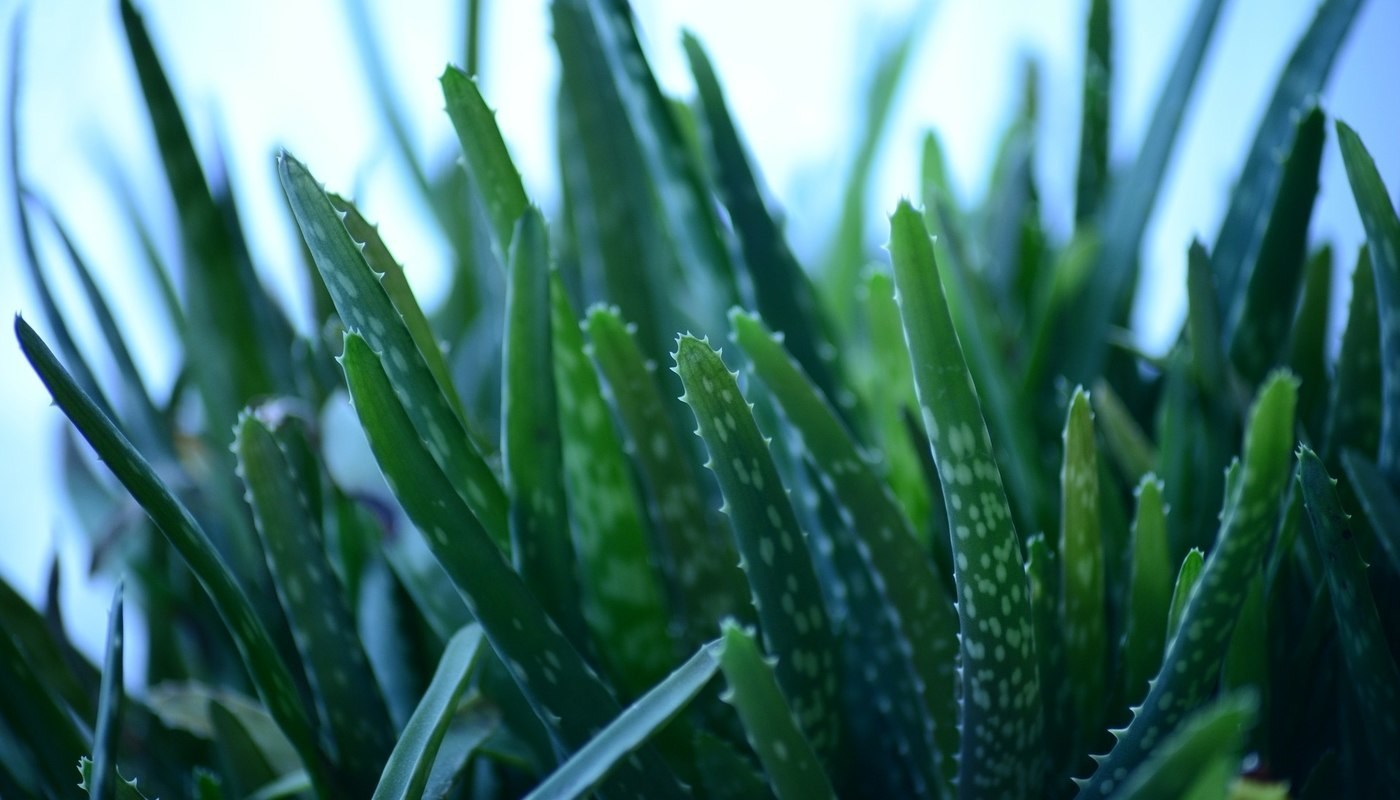

Aloe vera is one of the oldest-mentioned medicinal plants on record. If you haven’t heard of its healing magic, you’ve been robbed. I’d be lost without this succulent short-stemmed, thick-pointed leafy plant. It is my first source of aid when a member of my family suffers from a burn, a skin problem, and much more.
Originally found in the hot climate of Arabia, this plant has been used for its cosmetic and pharmaceutical components for thousands of years. Research has shown that its slimy water-filled inner tissue, known as gel, contains over 200 biologically active ingredients, such as vitamins, enzymes, minerals, amino acids and antioxidants (such as polyphenols). All of which can improve our health.
Dubbed ‘the burn plant’, aloe vera is most commonly used in topical creams, ointments and sprays. It was first FDA-approved for an over-the-counter burn remedy in 1959, and since then, our knowledge of its benefits in skincare has grown. Apart from its ability to reduce irritation and accelerate the healing of burns, sunburns, acne, dry skin, psoriasis and tattoos, you can also ingest it.
5 medical benefits of aloe vera
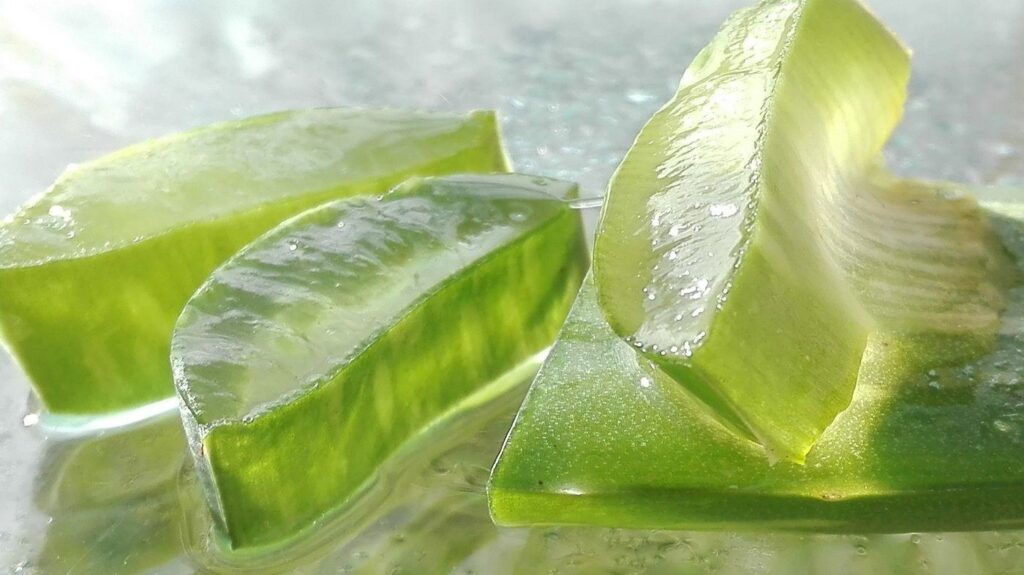
It reduces plaque
When used in a mouthwash, Aloe vera has been shown to reduce plaque. Recent studies have demonstrated that the antibacterial components in 100 percent pure Aloe vera were more efficient at reducing plaque build-up than the chlorhexidine in standard mouthwash.
It helps heal canker sores
Canker sores or mouth ulcers are an uncomfortable, sometimes recurrent problem that many people face. My children often get them, and though normal corticosteroids resolve the issue, when they’re not on hand, I turn to Aloe vera. As it does with burns and minor cuts, Aloe vera’s gel reduces the pain associated with canker sores and accelerates healing.
It reduces constipation
This time, it is not the gel of the Aloe vera plant that is helpful, but its latex. It has been suggested that the Aloe in in the latex, which is an anthraquinone, assists in relieving constipation. However, though it has been sold as an over-the-counter medication for constipation since 2002, Aloe latex is not beneficial for other digestive disorders.
It lowers blood sugar
Studies suggest that ingesting an Aloe vera supplement or drinking the plant’s juice can help with Type 2 diabetes, as the components in the Aloe vera plant enhance insulin sensitivity and lower blood sugar levels. Nevertheless, there is also research against the long-term ingestion of Aloe vera, so it’s best to first consult a physician before using it for this purpose.
It provides heartburn relief
I’ve already scratched the surface of the benefits of Aloe vera on the digestive system; therefore, it is not hard to believe that it can help with reflux symptoms. Purified Aloe juice is a safe and effective remedy for heartburn, belching and vomiting. The juice is loaded with vitamins, minerals and amino acids, and with Aloe vera’s anti-inflammatory properties, it boosts digestion and helps remove toxins from the body.
The best thing about Aloe vera is you don’t need to go to a drugstore to get it. You can harvest it yourself.
Aloe vera is actually one of the easier plants to care for. It best grows in a warm environment, which makes it an ideal choice for a houseplant. When placed in a location where it will receive an optimal amount of sunlight (six to eight hours for mature plants, less for juveniles) and can be watered weekly, your plant should thrive and be at your aid when needed.
How to harvest aloe vera
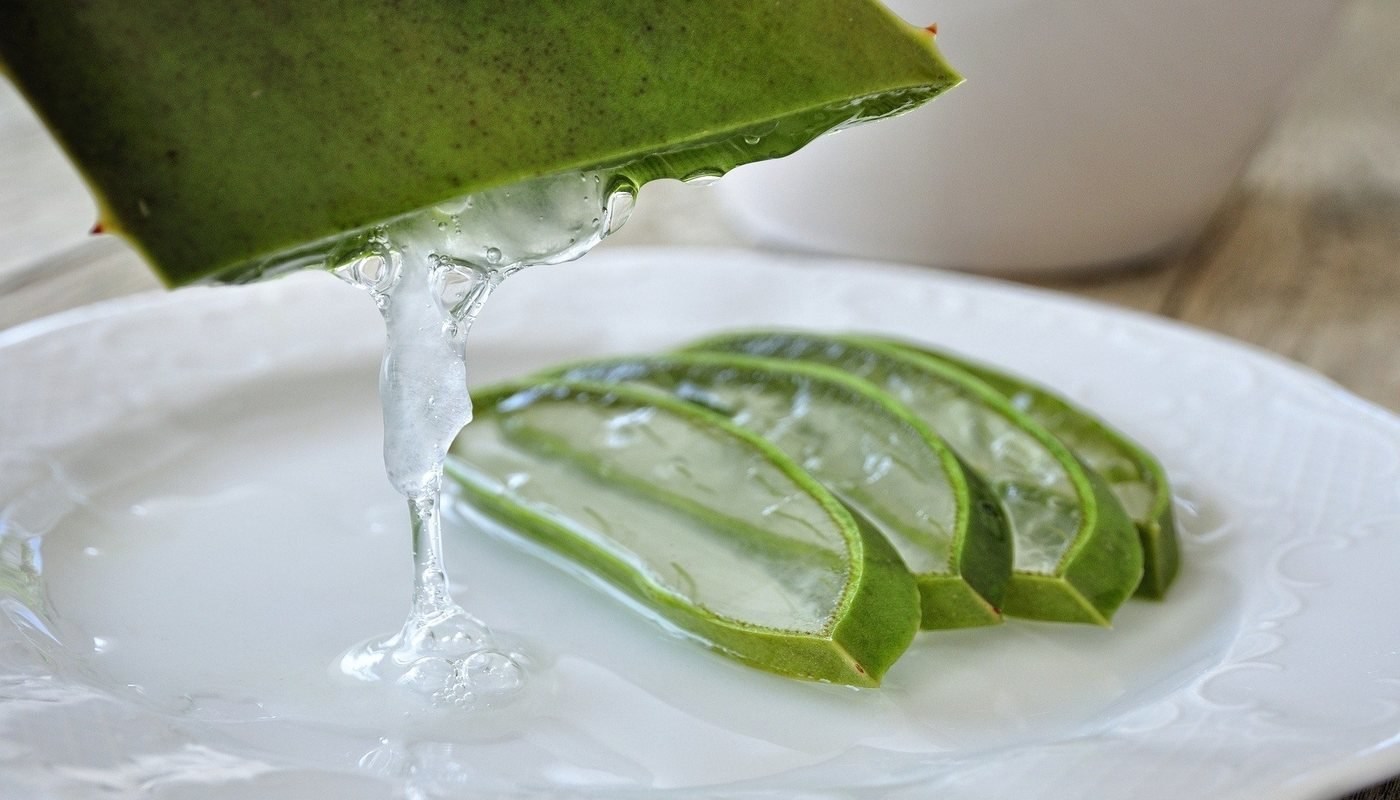
It is best to remove the leaves of mature plants that are a few years old, as they contain higher levels of concentration. For ingestion or for use within a rub, cut off three or four thick outer leaves that are close to the stem of the plant (with the base being more fruitful).
Wash and dry the leaves, and then separate the outer part of each from the gel inside. Once you’ve exposed the gel, cut it into slices or cubes. If you intend to use your harvested Aloe immediately, you can place it in a container and refrigerate it for up to 10 days. If you want to store it for later use, seal the gel in an airtight bag and freeze it. It can remain frozen for as long as six months.
If you plan to use the Aloe vera you harvest for its latex (a yellow saplike substance), before you cut the leaves into slices or cubes, allow the sap to drip out into a container and refrigerate it.
You can also use a leaf from your Aloe vera plant whenever you need it. Instead of harvesting gel, you can simply break off a thick outer leaf to rub onto the affected area of the body you want to treat. Be sure to sever the leaf at the stem, and although you can snap it off with your hand, it is better for the plant’s survival if you cut the leaf off. After you’ve broken off one or more leaves, you can use them directly, or cut them into slices or cubes and refrigerate the remainder for later use (if needed).
If you are the type of person who’d rather turn to a wholistic remedy instead of using pharmaceuticals, or you don’t mind drugstore aids but would like on-hand help when these aren’t available, an Aloe vera plant is the answer.
This juicy green plant will not only decorate your home, but it will also relieve your suffering. Whether you burn yourself cooking, lie out in the sun too long, have stomach cramps or want whiter teeth, Aloe vera will be there for you.
Medical disclaimer: This page is for educational and informational purposes only and may not be construed as medical advice. The information is not intended to replace medical advice offered by physicians. Please refer to the full text of our medical disclaimer.
«RELATED READ» RESTLESS LEGS SYNDROME: 8 essential oils that can help relieve your symptoms»