


John Muir Laws has a way of teaching us how to see—not simply to look, catalogue or capture, but to truly encounter the living world in its immediacy. His practice of sketching and close observation is not just an artistic discipline, but a philosophy of being.
Through field guides, workshops and public programs, he extends an invitation to slow down, pay attention and treat the ordinary as sacred.
What we take to be “normal” is often just the repetition we’ve grown accustomed to. Our baselines shape perception: what we notice, what we ignore and what we believe is possible. But once those baselines are disrupted, the world opens up again.
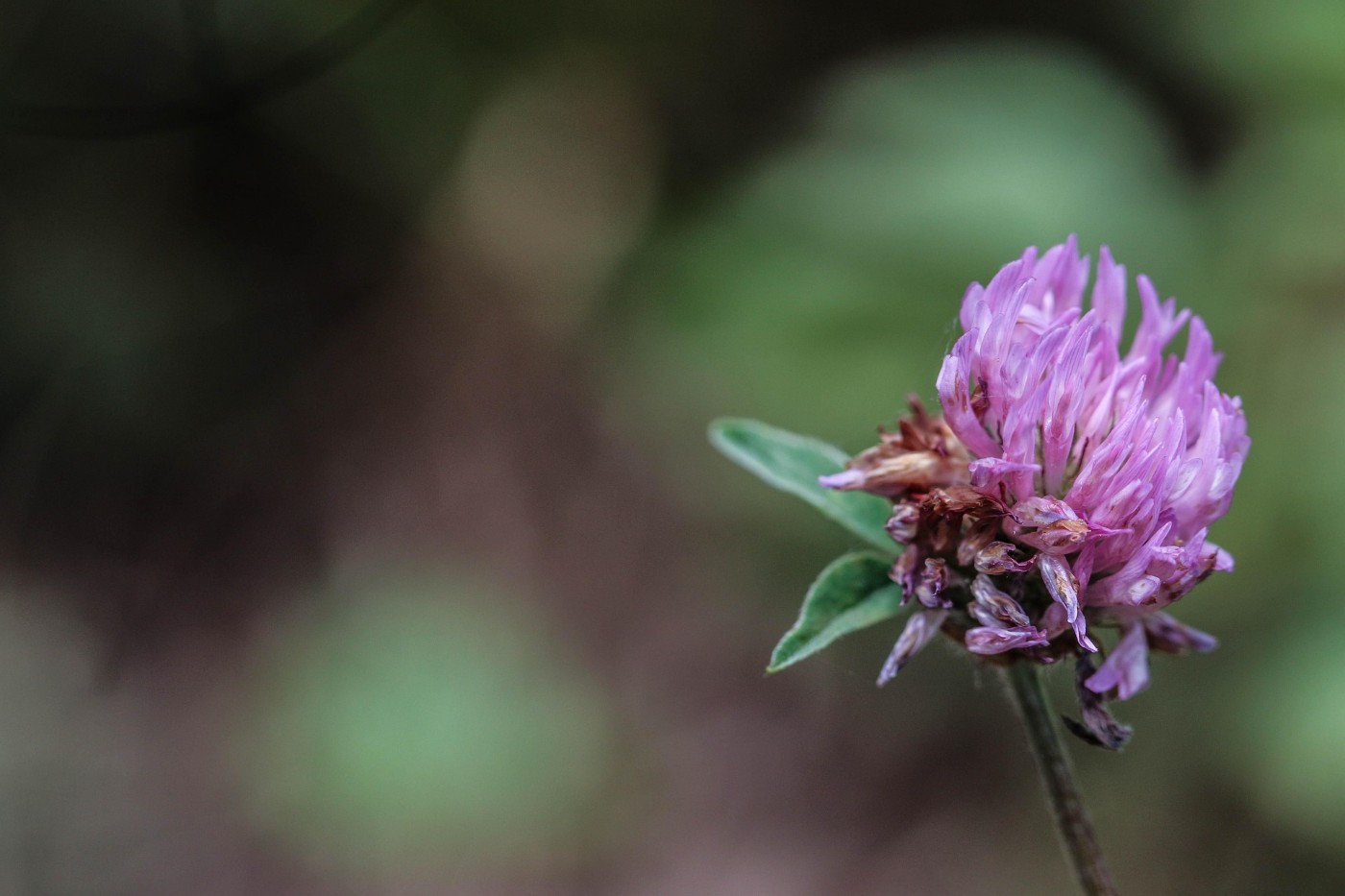
Wonder isn’t reserved for distant mountains or rare wilderness. It exists just as profoundly in the spider weaving in a corner or in the weeds flowering in a backyard garden. To live fully is to meet life where it already is, and to allow the everyday to reveal itself as miraculous.
The act of attention can be devotional
Laws once told me of painting a wildflower for his Sierra Nevada field guide. Time passed in focused attention until he realized the flower in his hand had wilted, while its counterpart in the meadow stood vibrant.
That moment of recognition—returning the flower to the soil, offering thanks and resolving to paint living specimens—became a meditation on transience, humility and responsibility. His practice is full of such quiet lessons, with each one teaching that the act of attention itself can be devotion.
For him, art has always been survival. As a child with a restless mind, sketching became an anchor. What might have been seen as distraction transformed into curiosity; curiosity deepened into presence; presence ripened into care. Every line on the page became a way of steadying attention and cultivating love for the world.
Every line on the page became a way of steadying attention and cultivating love for the world.
Attention, after all, is a form of love. In a culture that’s seemingly designed to scatter our focus, to give one’s full attention to something or someone is radical. It is generosity. It is rebellion. To sketch, to study, to sit with a bird or a tree without hurry is to affirm that the world is worth noticing, and that we ourselves are worth the grounding that attention brings.
Curiosity acts as a kind of ballast. It slows us down to the speed of wonder. It keeps us present, asking questions without rushing to answers and lingering with what’s unresolved. Curiosity, when joined with a spirit of stewardship, becomes an ethic: to notice and to care without needing to possess or control.
This mindfulness extends into relationships as well. At one point, Laws assumed that his partner would share his obsession with birds, only to discover that she didn’t. Over time, he came to see that connection doesn’t require mirroring one another’s passions. What matters is attentiveness, respect and the space to honour difference. Love flourishes not in sameness but in the generosity of presence.
Attention also turns inward. By applying the same method of noticing—naming what we see, what we wonder about, what memories arise—to our own inner lives, we can begin to navigate the subtle spaces between attention and anxiety, love and doubt, curiosity and fear. This self-observation fosters gentleness and deepens empathy, helping us inhabit both the world and ourselves more fully.
But attention isn’t free from grief. To notice is also to witness loss: the disappearance of wildflower meadows, the encroachment of development, the fragility of ecosystems. Yet, rather than being paralyzed by despair, Laws channels sadness into care. He has dedicated his work to giving others the tools to fall in love with the world, knowing that love begets stewardship.
We act to protect what we love, and we only love what we’ve taken the time to see.
A vision that radiates outward
This vision radiates outward into community. Through his Wild Wonder Foundation, he emphasizes teaching not as hierarchy but as invitation. Shared attention becomes a form of healing, kindness and collective preservation. To care for the Earth is inseparable from caring for one another.
For Laws himself, this practice is medicine. In moments of despair, he turns to nature: sketching, slowing down, drawing his focus outward. Presence restores. Attention heals.
And every act of attention carries a legacy. Even if the books fade, the philosophy of attention as love can ripple through generations. Teaching is less about information than about modelling how to notice. Mortality sharpens this truth. Every observation is precious, because it can’t be repeated. The most profound legacy may be to pass on the tools of attention—the pencil, the gaze, the habit of noticing—to someone else, ensuring that the work of care continues.
In the end, attention, gratitude and wonder aren’t just practices but ways of being. To notice is to pray. To pause is to preserve. To observe is to love. Even in the face of impermanence, attention keeps beauty alive. And in that act of seeing, we discover the sacred, the beautiful and the wild that has always been here, waiting for us to open our eyes.
«RELATED READ» “POPULARITY” AND QUALITY IN THE ARTS: The psychological risks of being an artist»
image: Photorama

