


Picture this: Jenny, a mom of two, steps off the treadmill sweating profusely and breathing heavily. Her goal is to lose belly fat from her recent pregnancy, so she decided to sign up at a local gym. Every time she goes, she can’t help but think about her son and daughter at home, what she’s making for dinner and lunch tomorrow, and whether she and her husband will ever reconnect again.
Jenny’s friend, Amanda, is a supportive gym buddy who decided to join her. Amanda is at the other end of the gym, curling weights. She looks back at Jenny and rolls her eyes, dropping the weights to the ground. She’s bored and wants to go home.
Whether you’re a beginner on your fitness journey or have stayed actively fit for years (as I have), you may have noticed that a healthy fitness routine isn’t a one-size-fits-all approach. Clearly, with Jenny and Amanda, joining their local gym hasn’t given them the joyful and wholistic benefits they thought it would.
The cookie-cutter, get-toned-fast solutions to optimal fitness I found online and from speaking with countless fitness professionals, including athletes, trainers and weight-lifting champions, simply wasn’t working with what my body needed. Well, I thought, how do I recognize what my body needs?
I ended up enrolling in an online coaching program called the Australian Mind-Body Food Institute. After completing my diploma, I learned about how deeply impactful it is when the mind and body can integrate and collaborate with one another. I practically applied this newfound mind-body connection to my fitness journey and got the best fitness results since I began my physical training 10 years ago.
Here’s what I’ve learned about how the mind-body connection may help you gain quicker and longer-lasting results to leverage your optimal fitness needs (With that, your fitness journey will become a more wholistic and joyful one!):
Mindfully applying your body’s wisdom
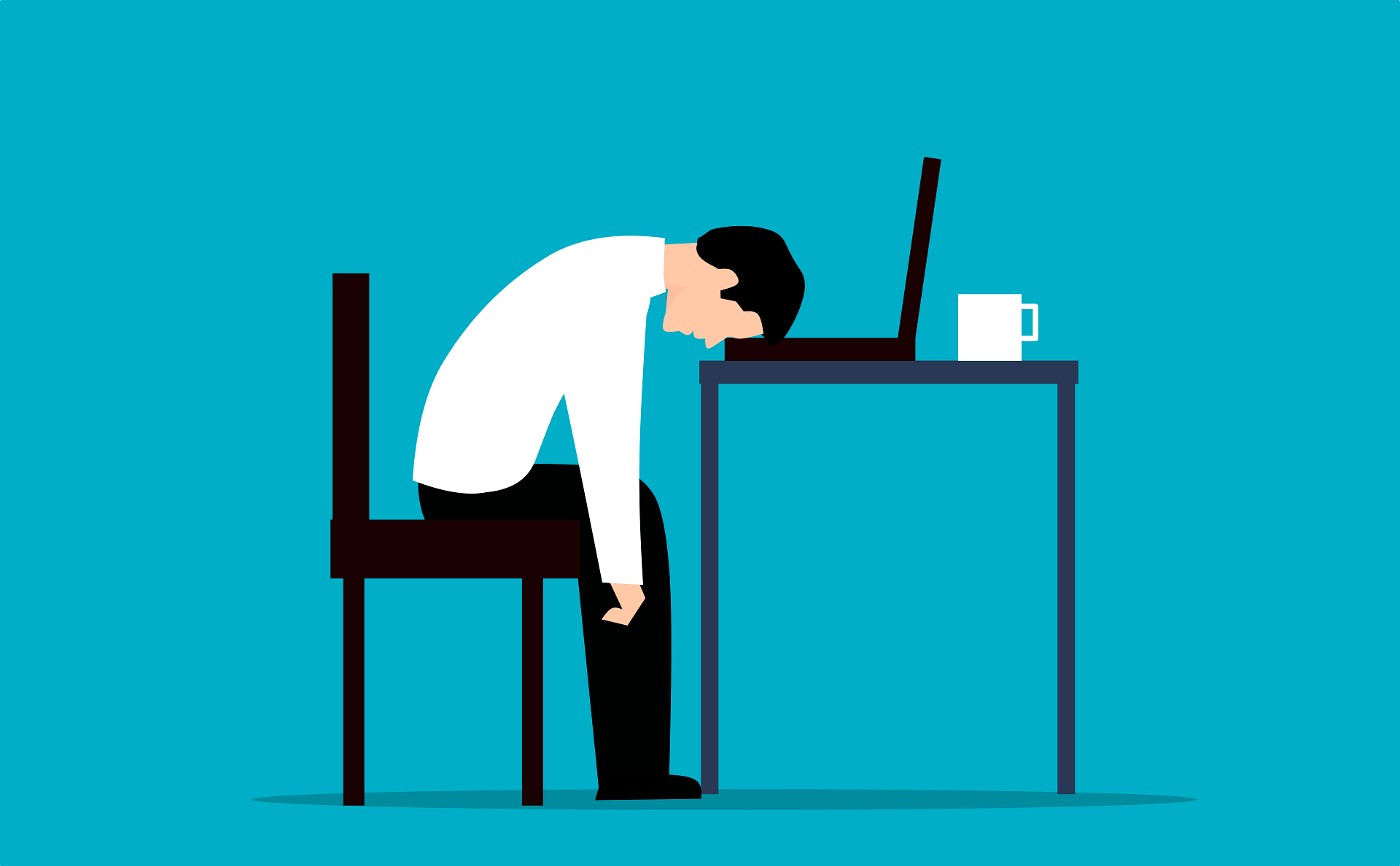
What a mind-body connection simply means is that you’re aware of and understand the messages or cues your body is trying to send you, and you know how to practically apply that knowledge.
The body has innate wisdom. It knows what you need when you don’t, and because of how incredibly powerful that is, it deserves to be honoured. By learning to track the patterns of what you feel in your body and where you feel it, you’ll naturally start to mesh your body’s intuitive wisdom with your personal fitness routine.
You’ll find that as you work with your body, instead of under a prescribed tried-and-true universal method (like the ones Jenny and Amanda tried), your vitality will increase. Your workouts won’t seem like a chore anymore, but something you look forward to. Imagine that!
It’s my intention to help inspire you to listen to your own body’s needs, and in turn, create your own wholesome fitness routine. To help you do this, here’s a list of six physical sensations and body cues below that I learned to interpret and accordingly act upon.
Headache
This generally means there’s too much energy flow in the brain (for instance, your mind is running 100 miles a minute) and not enough physical activity.
Your body is telling you…
Move. Even just walking away from your desk for five minutes or taking a quick round around the block outside will help ease your mind and energize your body.
Stress fatigue
It’s important to distinguish this from lazy fatigue or fatigue resulting from mental health issues such as major depression. I define stress fatigue as being emotionally or psychologically drained from life circumstances and responsibilities (as was the case with Jenny). When you’re psychologically and emotionally distressed, your body might feel heavy and sluggish, and it may feel like a struggle to function with your daily tasks due to a common human condition—burnout.
Your body is telling you…
Hey, you’re exhausted, and it’s made me really exhausted, too. You’ve done a lot and are drained. Rest and take it easy today. In other words, when stress takes its toll and comes by for a stroll, it doesn’t make sense to stress yourself out more by feeling obligated to work out.
Hollow-feeling stomach
When I don’t eat filling meals, my stomach feels hollow and empty. My limbs also feel weaker when I don’t consume the appropriate nutritious foods that help fuel my workouts at the gym. On days like this, I don’t shame myself or feel guilty for not being more responsible with my food intake. In other words, I don’t criticize myself or see this as a step backward on my fitness journey.
Your body is telling you…
Look, today may not be the best day to be physically active, but it’s a great day to consume heartier and more nutritious meals. If you eat more and integrate different food groups into your meals when your stomach feels empty, you can trust that the next day, your workout will be on fire!
Joint and muscle pain
I’m no doctor, but I can tell you that in my experience, I can go to the gym with a mild cold and everything is honky-dory. But when I sprained my ankle and tore my hip and knee ligaments, I felt enormous pain if I stepped down in a certain way. Because the pain was inconsistent and often left for some time, I figured I should still go to the gym and stick to my fitness regimen. Boy, was that a bad idea!
Your body is telling you…
Rest. Give me some more time for healing. Contrary to popular advertisements, healing torn, broken or sprained body parts is just as important to your physical health as pumping your biceps. Some would even argue that allowing your body to heal and rest is more important than exercising regularly (for example, every day) because that downtime restores your body with greater vitality and strength for the next time you do exercise.
Menstrual discomfort and pain
For many women, the menstruation period is painful and uncomfortable, and it definitely isn’t accompanied with celebratory hurrahs.
As a female in the fitness space, there is already pressure on women to conform to a patriarchal society, infused with institutional discrimination. Women are obligated to attend to their careers and jobs while they’re menstruating, and they’re expected to perform their work as well as their male counterparts while experiencing consistent pain and discomfort.
This social expectation and prescribed lifestyle could make many women think their female cycle is an inconvenience and should be ignored because life moves on and we must keep moving with it, right? Wrong.
Your body is telling you…
Rest, drink many fluids and keep your belly warm. Across many world cultures, women’s menstruation is considered a process of purification and cleansing, and it’s honoured as a sacred cycle. From this positive and meaningful perception of a woman’s natural cycle, it’s not only OK, but a benefit, to give yourself permission to rest during your cycle.
If you’re like me and have a habit of staying active any time of year, doing lighter and slower exercises will help keep your stomach and pelvic area less upset. It’s no shame to skip a workout, though, especially if you have any irritation, pain or discomfort. Your body will thank you when your period is done, and you’ll feel refuelled for your next workout.
Hangover nausea
If you’re like me, then you like to occasionally sip a cool beer or sangria with friends and family, and (sometimes) you may feel nauseous in the morning.
Your body is telling you…
Sweat it out. As much as you’re unwilling to move and probably feel sluggish, having high-volume (higher repetitions with a lower weight) sessions at the gym or even doing a cardio-centred light workout or sport will help burn the toxins from yesterday’s festivities.
The intake-output relationship

As someone who’s been a vegan, a vegetarian and a carnivore at different stages of my fitness journey, I learned that when it comes to keeping my body physically fit, what I eat doesn’t matter as much as I initially thought. What really matters is that your food intake supports your physical vitality—which, in turn, supports your optimal fitness levels.
Depending on what your fitness goals are, your diet may be more restricted than that of others, which is important to keep in mind. I only use three simple rules for my food intake in order to stay wholistically fit:
- Eat foods that energize you.
- Eat something nutritious each day.
- Incorporate variety into your meals by including most or even all food groups.
Yes, that’s it. No carb or calorie counting. I can hear Jenny somewhere in the background yelling, “Thank god!” By following these three basic rules, my workouts became more robust just because I’m intuitively eating foods that give my body the most amount of energy. For example, when I eat pasta and more carb-based meals, my workouts are fantastic.
A simplified, intuitive diet will support your physical workouts, and with that, you’ll also be able to get away from self-imposed restrictions and a negative self-image. Counting my calories and protein intake every day became exhausting for me, and this naturally made me less keen to work out and stay fit.
I can confidently attest that being strict with what I was eating to achieve my fitness goals didn’t give me the best results. What works best is to eat what gives you a bounce in your step and the energy to go!
Choosing your workout
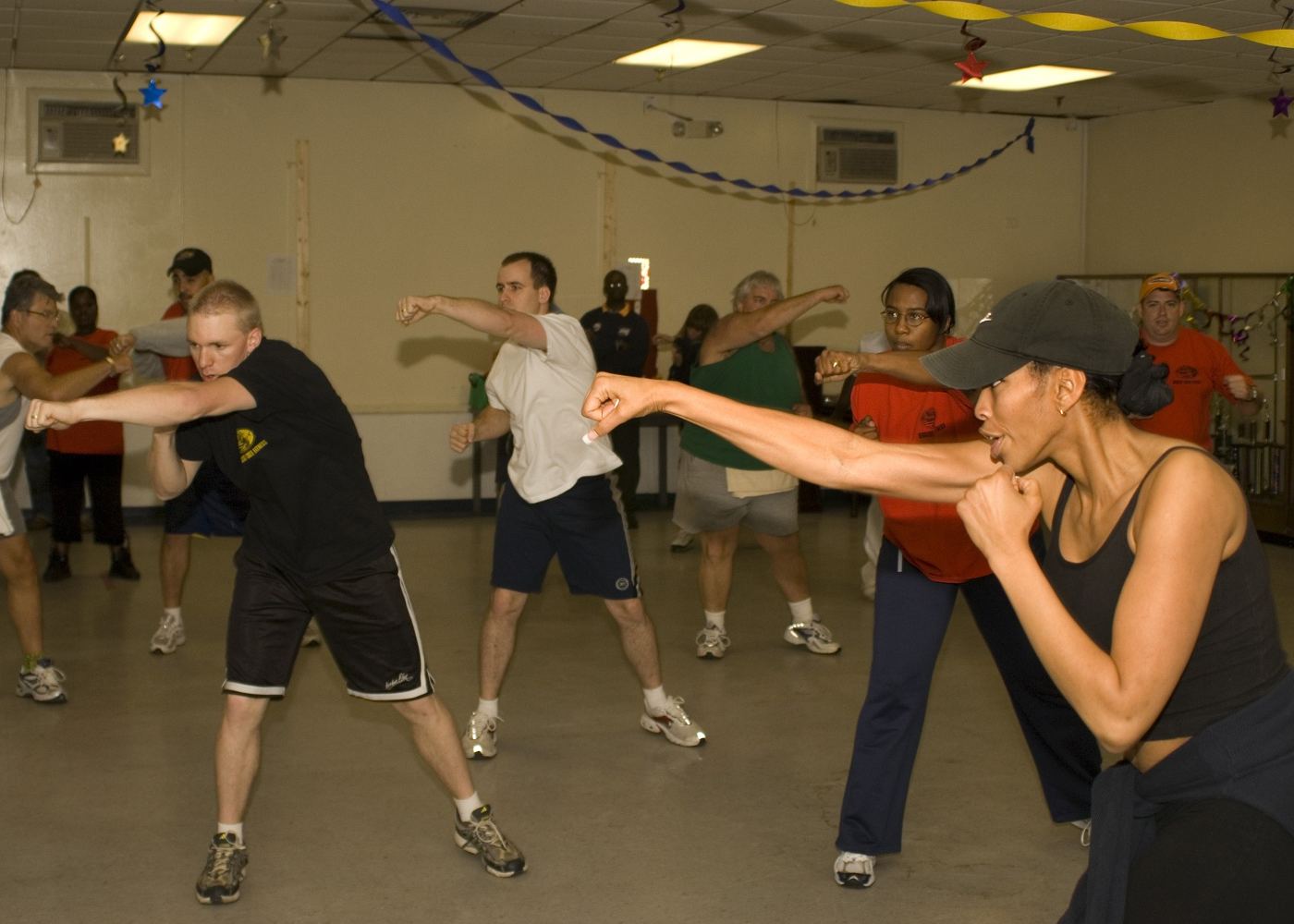
The fitness industry profits in each progressive year by offering lucrative annual and monthly gym memberships. Unfortunately, because of this, it’s easy to forget there are other physical activities that are more suitable and sustainable for your body and personality.
I have a friend who has attention deficit disorder and struggled to do the same repetitive routines at the gym because it bored her and actually decreased her physical output and vitality. Instead, she decided to join a community recreational centre where there was the option to join numerous classes, sports activities and other fitness challenges. This piqued her interest because she was always meeting new people and enjoying the variety of her workouts, which allowed her to stay committed to her fitness goals. In comparison to the gym, the new activities aligned much more with her personality and her body’s needs.
Let’s swing on to the other side of the pendulum. Another friend of mine is super active. To clarify, she isn’t fit and doesn’t work out, but intrinsically, she’s an active individual who enjoys moving a lot and being on the go. Sitting or standing in one place and curling a weight didn’t cut it for her. So she joined a Pilates and dance class at a local studio and says she has never looked or felt better.
Moral of the story? Simply put, the gym isn’t for everyone. You have plenty of other workout varieties to explore if going inside four walls with a crowd full of sweaty people isn’t your cup of tea.
Your physical health and fitness journey doesn’t have to be toilsome or feel like a great monster bullying you to keep going at the same speed on the same highway that everyone else is driving on. That’s why it’s essential to get into that mind-body connection in order to truly understand what your own body needs and then make adjustments based on your body’s intuitive wisdom. By doing this, you’ll restore and revitalize your physical health in a wholistic, balanced way—most likely, much more quickly than you expect.
Medical disclaimer: This page is for educational and informational purposes only and may not be construed as medical advice. The information is not intended to replace medical advice offered by physicians. Please refer to the full text of our medical disclaimer.
«RELATED READ» MY RENEWED COMMITMENT TO EXERCISE: Fighting inertia 20 minutes at a time»
image 1: Mohamed_hassan; image 2: _Alicja_; image 3: janeb13

