

Something has shifted in our culture. The change is so eerily present, it’s palpable.
You can feel it while scrolling through your social media feed, listening to the news or overhearing conversations in line at the grocery store. We’re living in a time when some people scream “tolerance” but practice the opposite. A time when shouting replaces listening. When “us versus them” is the only language spoken.
What we once called healthy debate has turned into ideological warfare that sometimes even leads to unnecessary and despicable political violence. Political conversations no longer stop at ideas; they tear at people’s dignity. Opponents are branded as enemies. Any nuance appears to have been lost. And in the middle of this noise are our children: silently watching, listening and absorbing.
As a parent, this is what unsettles me most, because children learn not only from what we say but how we say it. When they see adults mocking, cancelling and dehumanizing each other, they start to believe that’s the only way to exist in society. And then what happens? We hand them a legacy of bitterness dressed up as conviction.
We can’t afford to shrug and say, “That’s just how things are.” The stakes are too high. Our future depends on whether or not we can raise kids who know how to stand firm without cruelty, kids who can disagree without destroying one another.
Strength isn’t found in the loudest rant but in the courage to stay curious. Conviction doesn’t have to kill compassion.
Countercultural parenting
This is where our work as parents becomes countercultural. It means pausing before tearing down “the other side” at the dinner table. It means teaching our children critical thinking skills and reminding them that arguments are won with facts, not by who has the loudest voice in the room.
It means showing our kids that decency isn’t weakness. It means teaching them that the measure of a person isn’t whether they agree with us—it’s about the content of their character and whether we’re willing to see their humanity.
Lastly, it means lovingly yet firmly reminding our children (and others) that objective truth exists, even when the world insists on clinging to denial and delusion.
An invitation in a polarized age
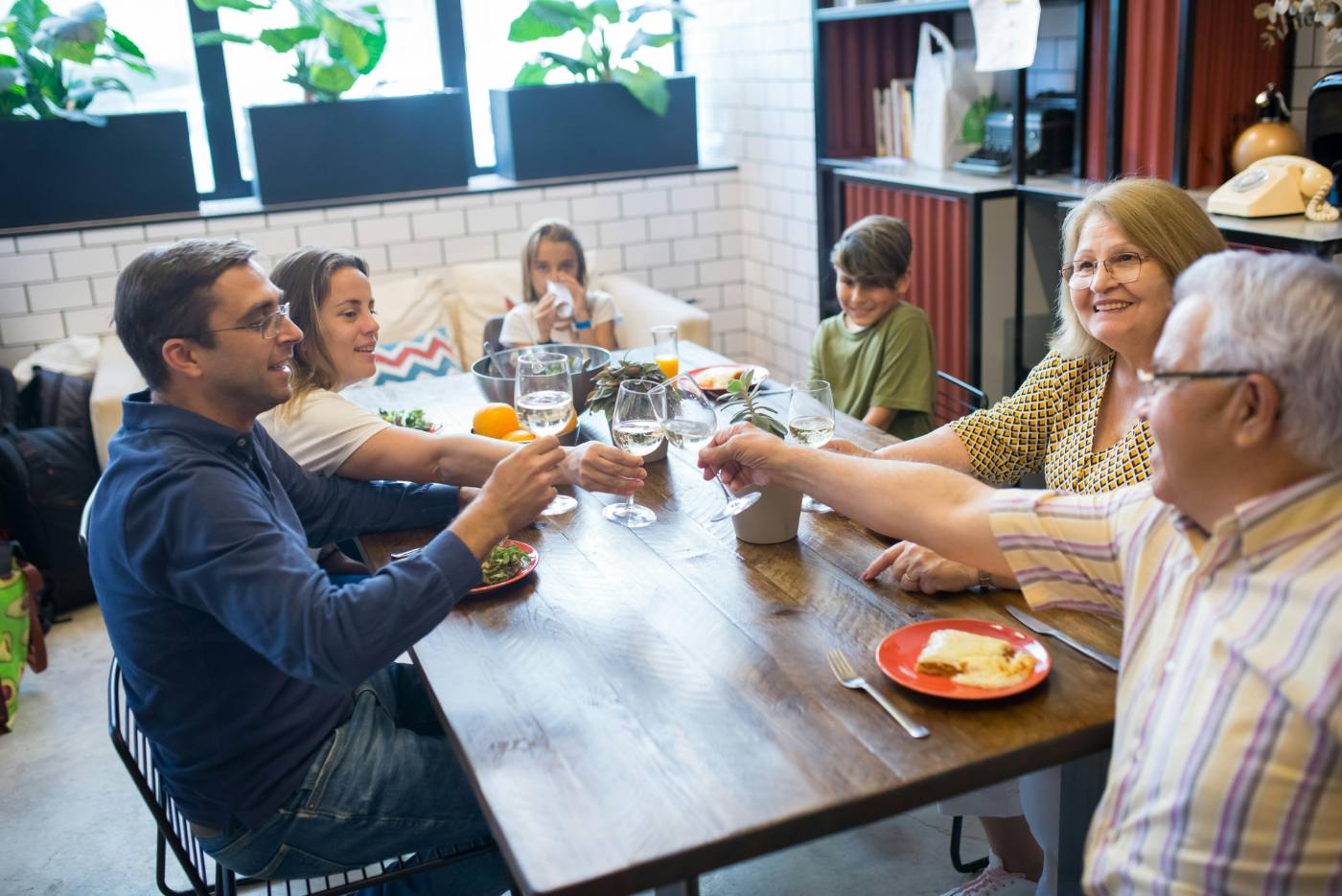
Yes, the world is divided. Yes, the noise feels relentless. But what if this is also an invitation? What if raising children in this polarized age is a chance to shape a generation braver than past generations—one that doesn’t inherit our anger, but learns to meet difference with dignity?
We can’t control the headlines, but we can control the atmosphere in our homes. And maybe that’s where healing begins: not in the halls of power, but in the conversations around our tables and in our own communities, and in the way we teach our children to treat those they disagree with.
The polarization of today doesn’t have to be the future that our children experience, and lately, I sure hope that it isn’t. I pray that this moment in time can be the spark that calls them—and us—to something better.
«RELATED READ» TO SHARE OR NOT TO SHARE: Marriage, social media and the sacred middle ground»
image: Kampus Production