

While the caregiver is usually the last to recognize changes in themselves, family and friends will see certain emotional and/or physical changes (Lou et al., 2022).
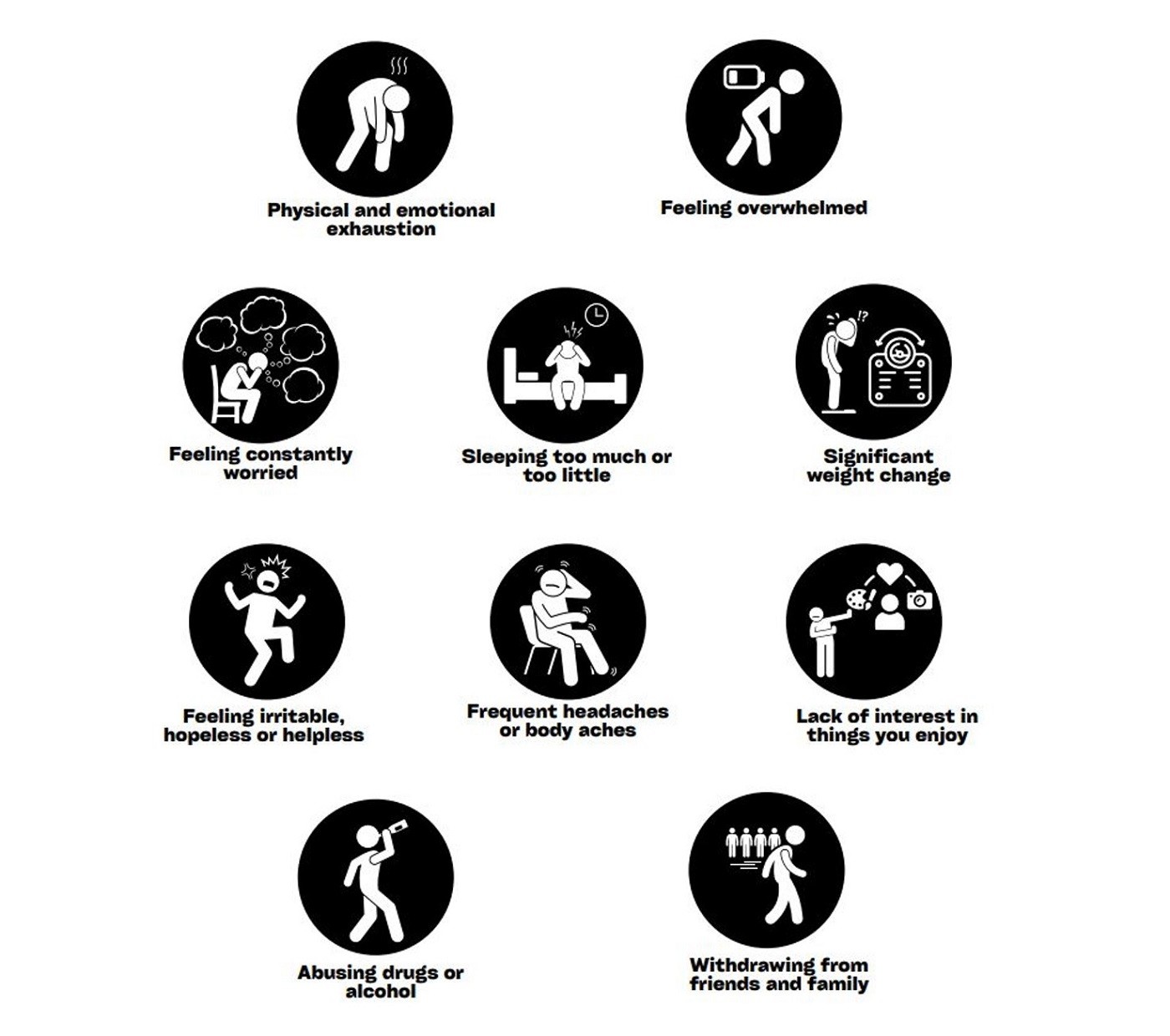
Addressing caregiver burnout is essential for the well-being of caregivers and their loved ones, and it is crucial for the community’s health.
How to manage caregiving stress
(based on study by Lou et al. (2022))
Seek and accept help
Speak up when you need support or assistance. Help can come from community resources, online support forums, local groups and professionals.
Find respite solutions
Get a break for a few hours, a few days or even longer. Respite is offered in or outside the home, in a community or faith-based agency or organization, or at an assisted living facility. Family members, friends or neighbours may also be available to act as respite providers.
Practice self-care
Don’t forget to participate in enjoyable or relaxing activities. Regular self-care is a must for caregivers!
Stay healthy and exercise regularly
Reactions to stress can be detrimental to both physical and emotional wellness. Be aware of these responses, and receive regular health check-ups to ensure good health practices. Moreover, daily exercise breaks can change a hectic pace and mindset.
Engage in mindfulness meditation
There is increasing evidence that mindfulness meditation can help ease psychological stress like anxiety, depression and pain.
images: Depositphotos